




Closing of Furwah Environmental Camp 2026 After Three Days of Scientific and Field Training
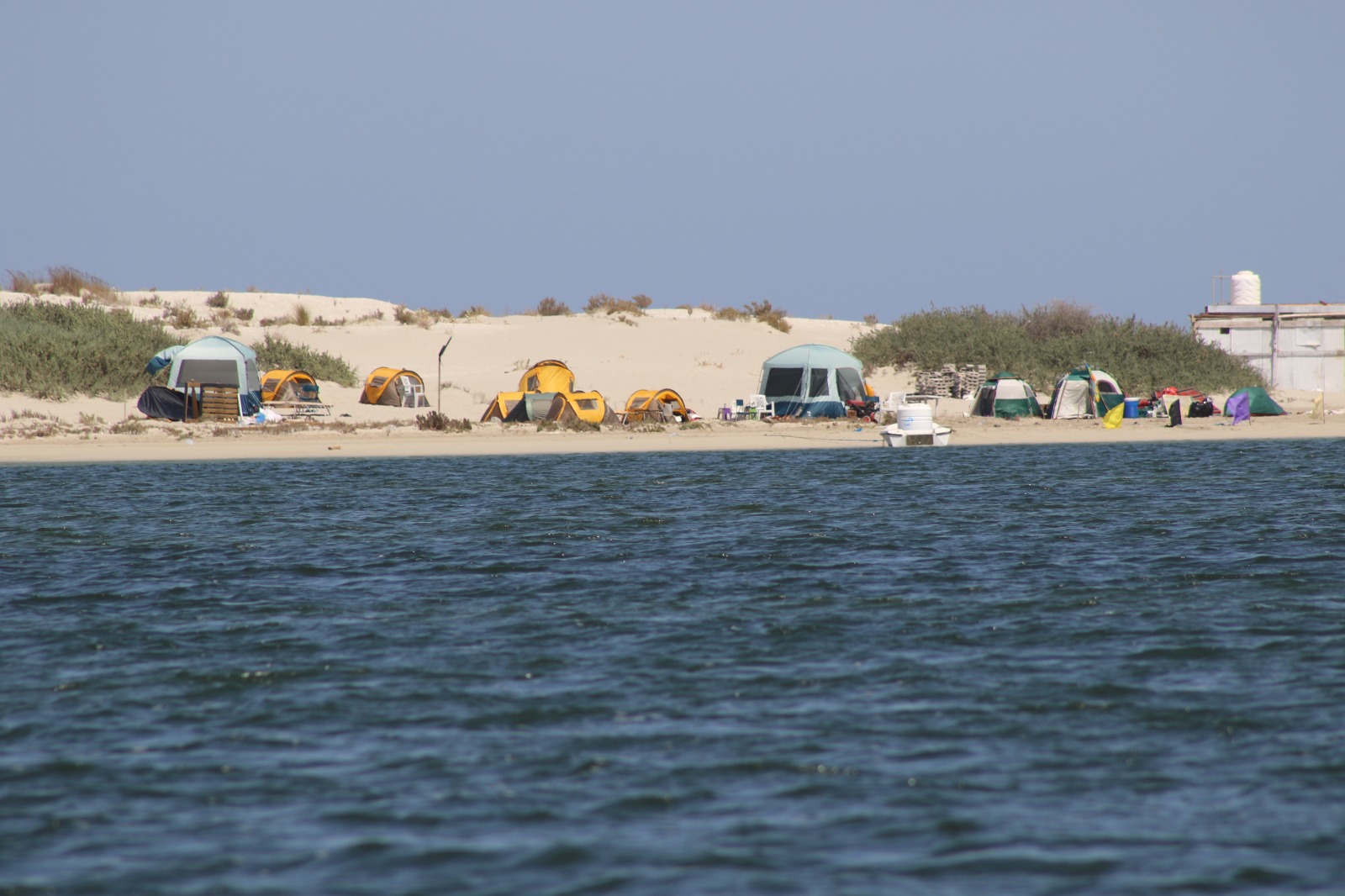
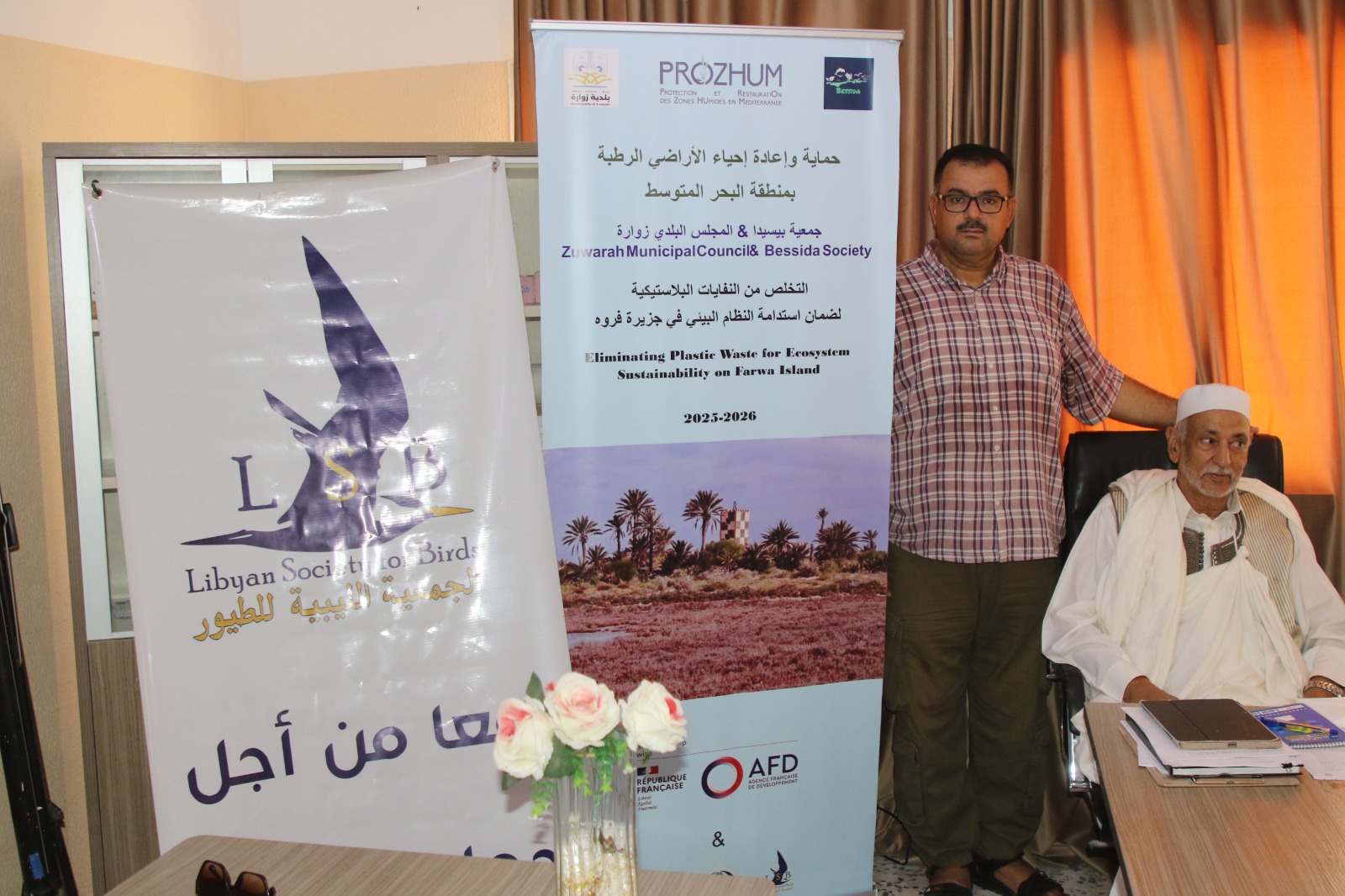
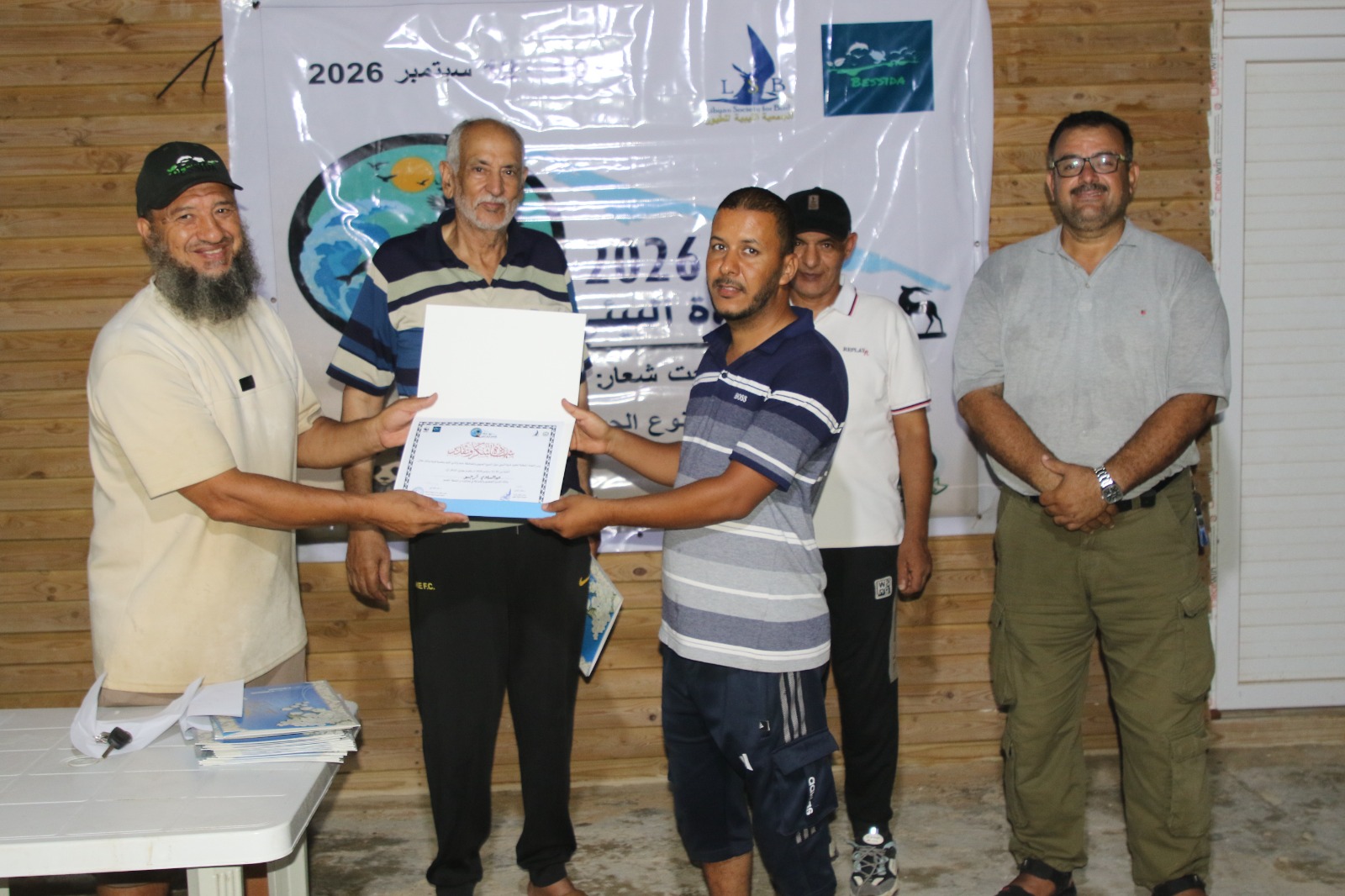
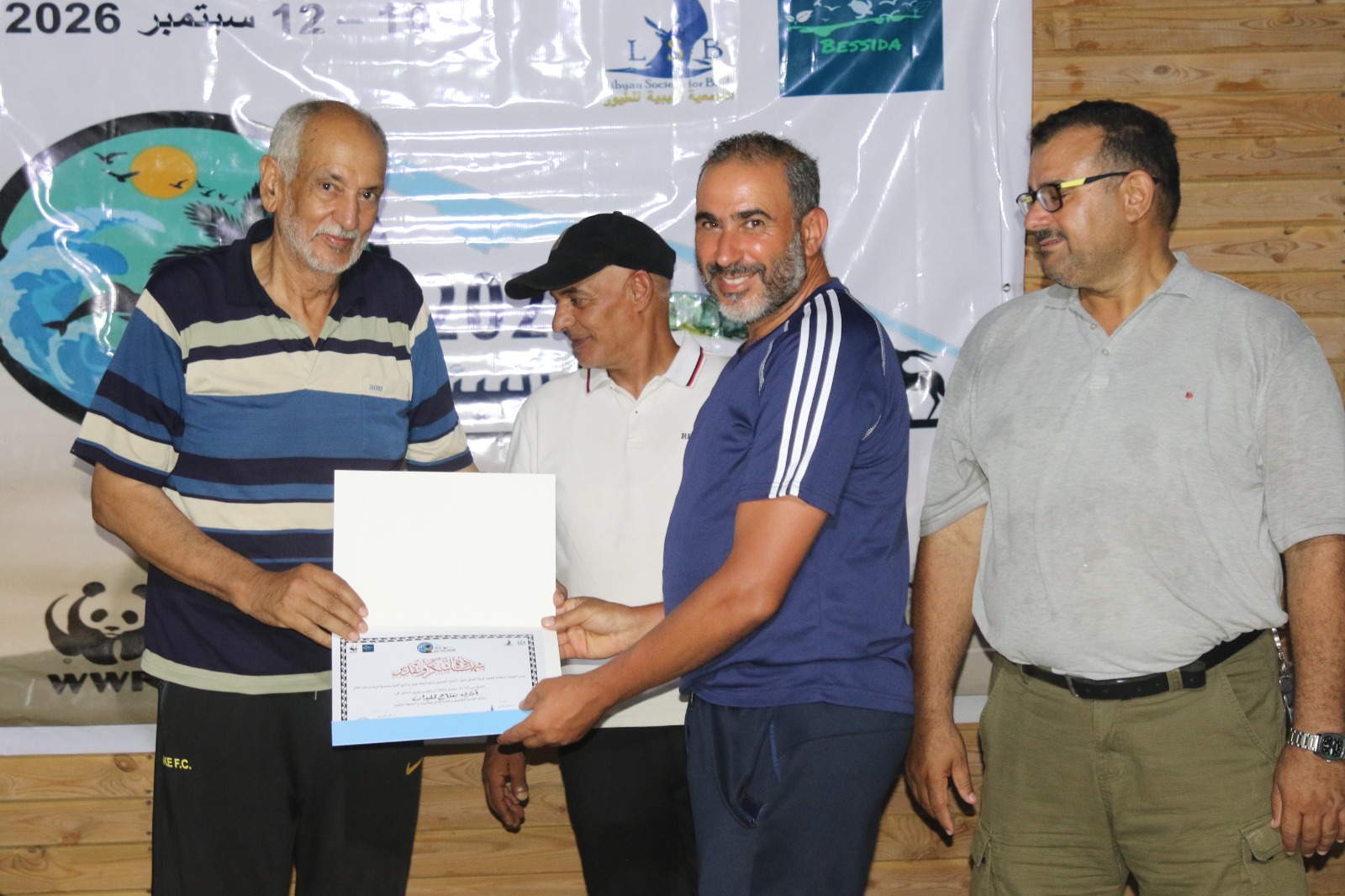
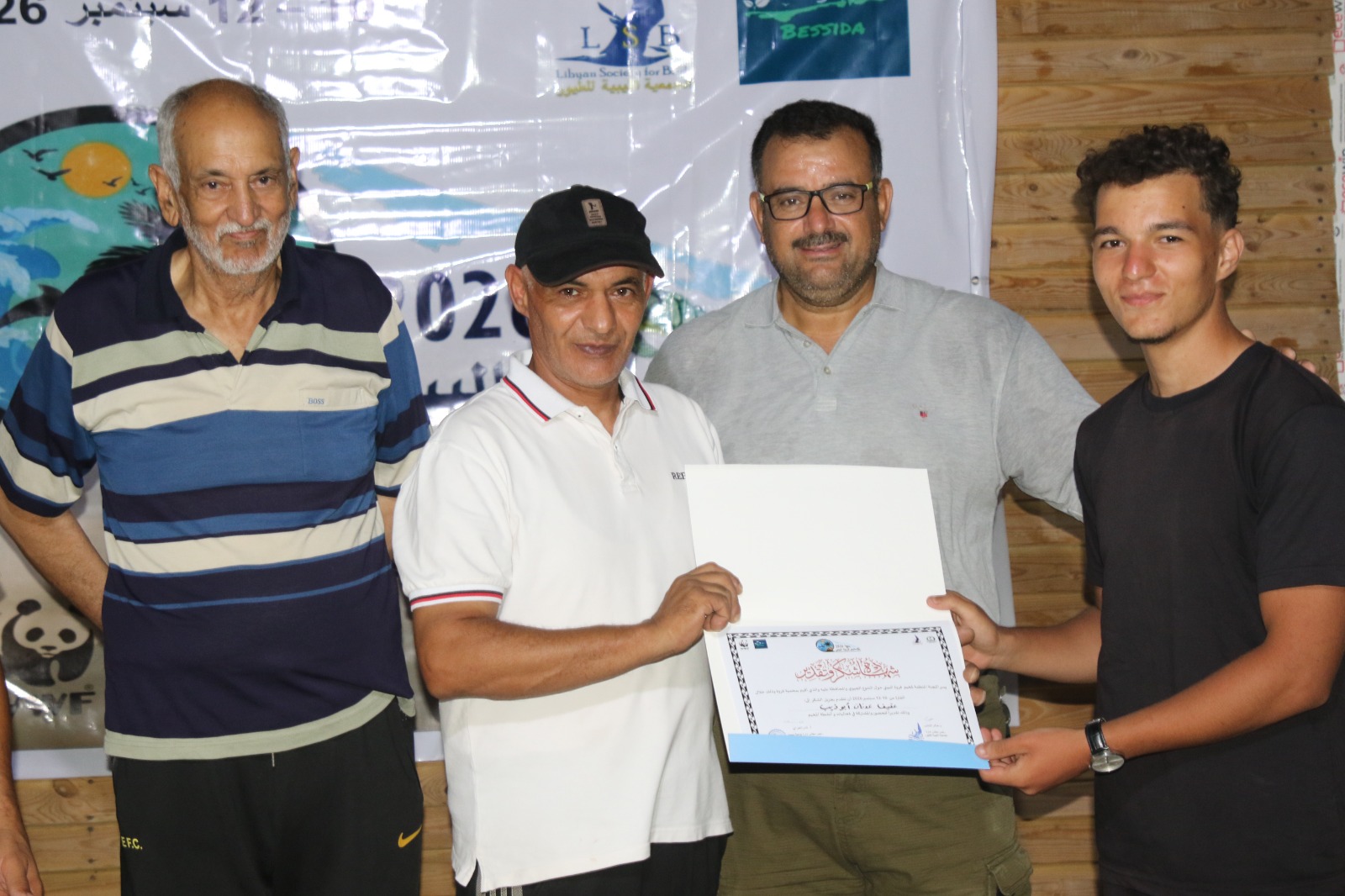
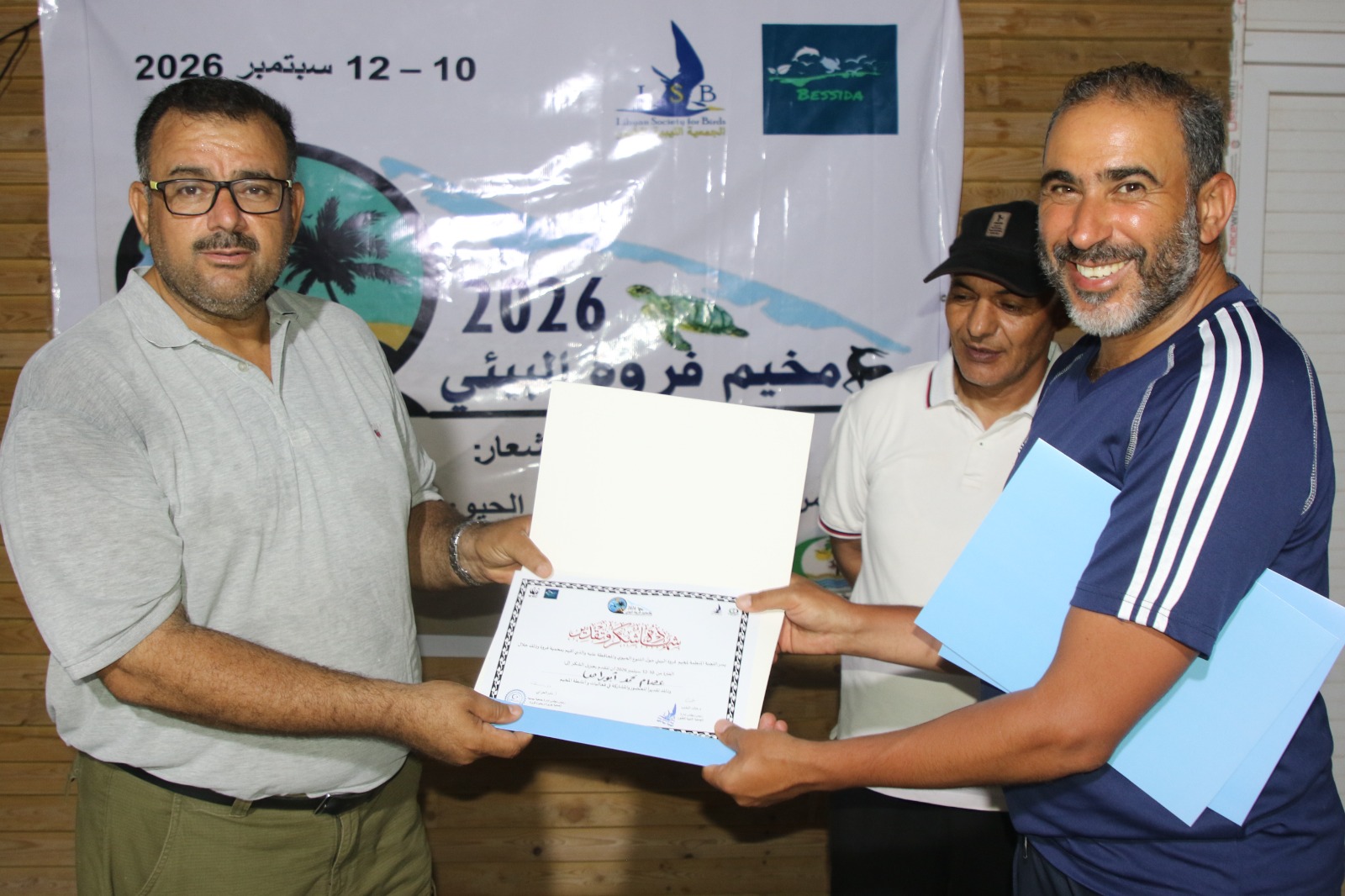
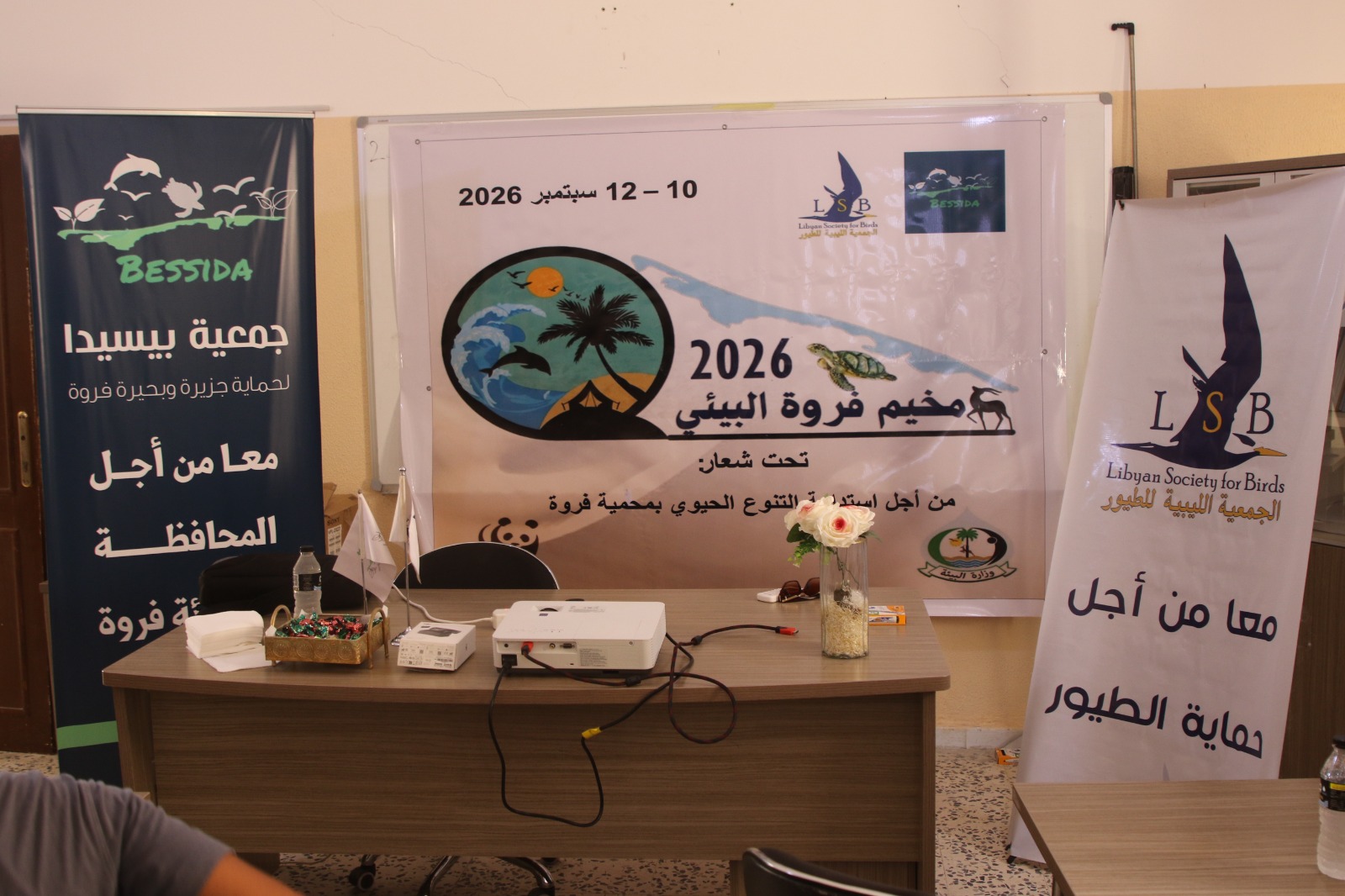
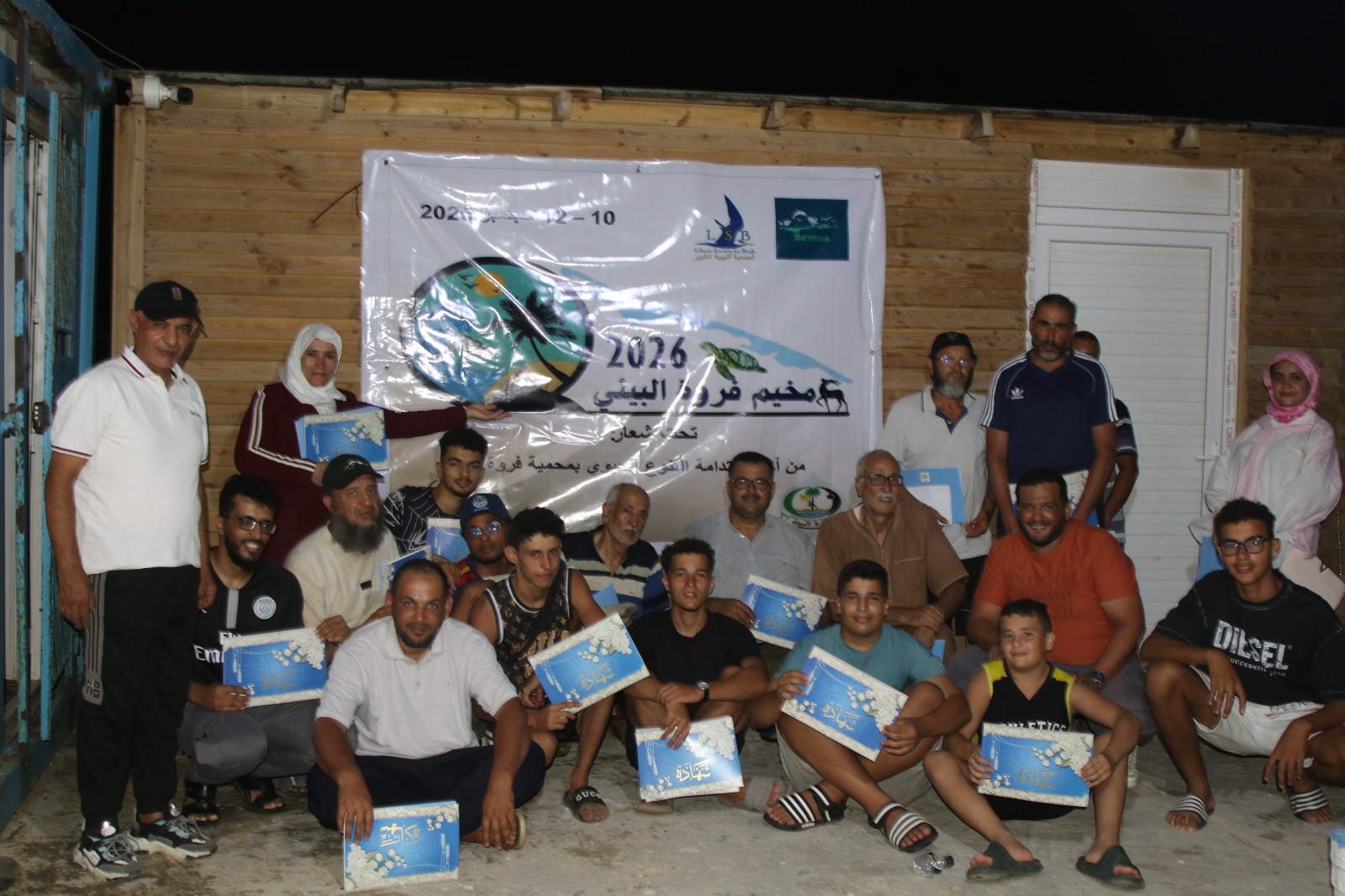
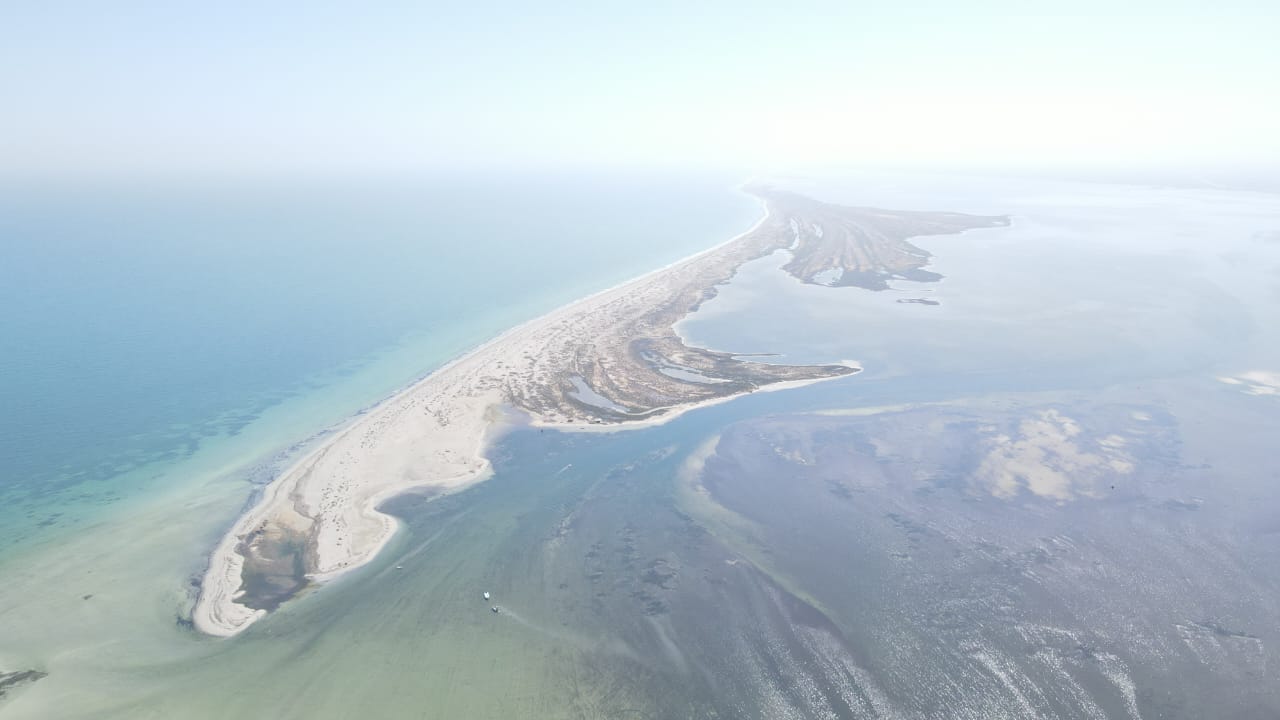
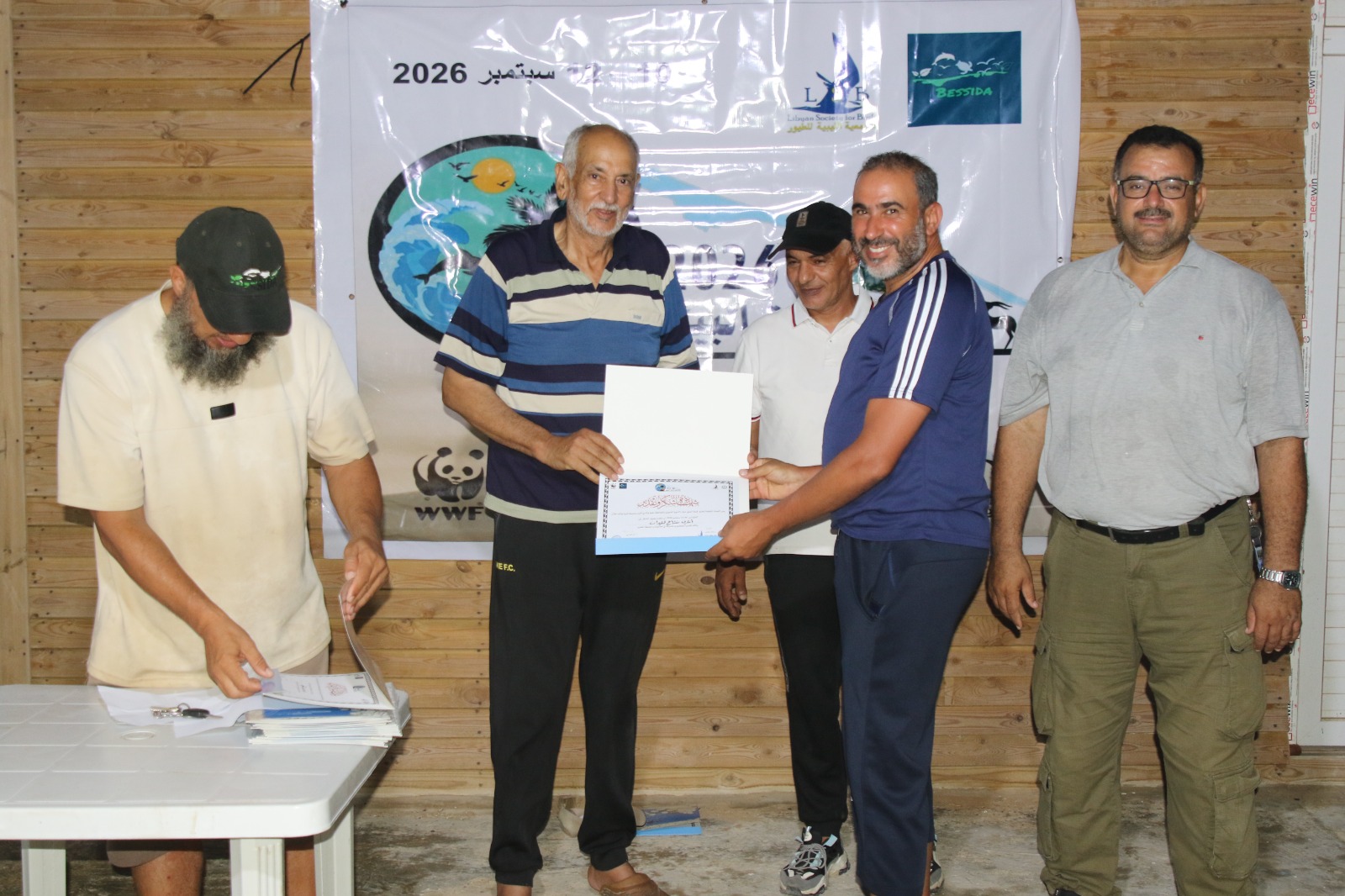
The Furwah Environmental Camp 2026 concluded yesterday, Saturday, 12 September 2026, following three days of activities held on Furwah Island under the theme “For the Sustainability of Biodiversity in Furwah Reserve.” The camp was organized and implemented by the Bessida Association for the Protection of Furwah Island and Lake, in partnership with the Libyan Society for Birds (LSB) and the World Wide Fund for Nature (WWF).
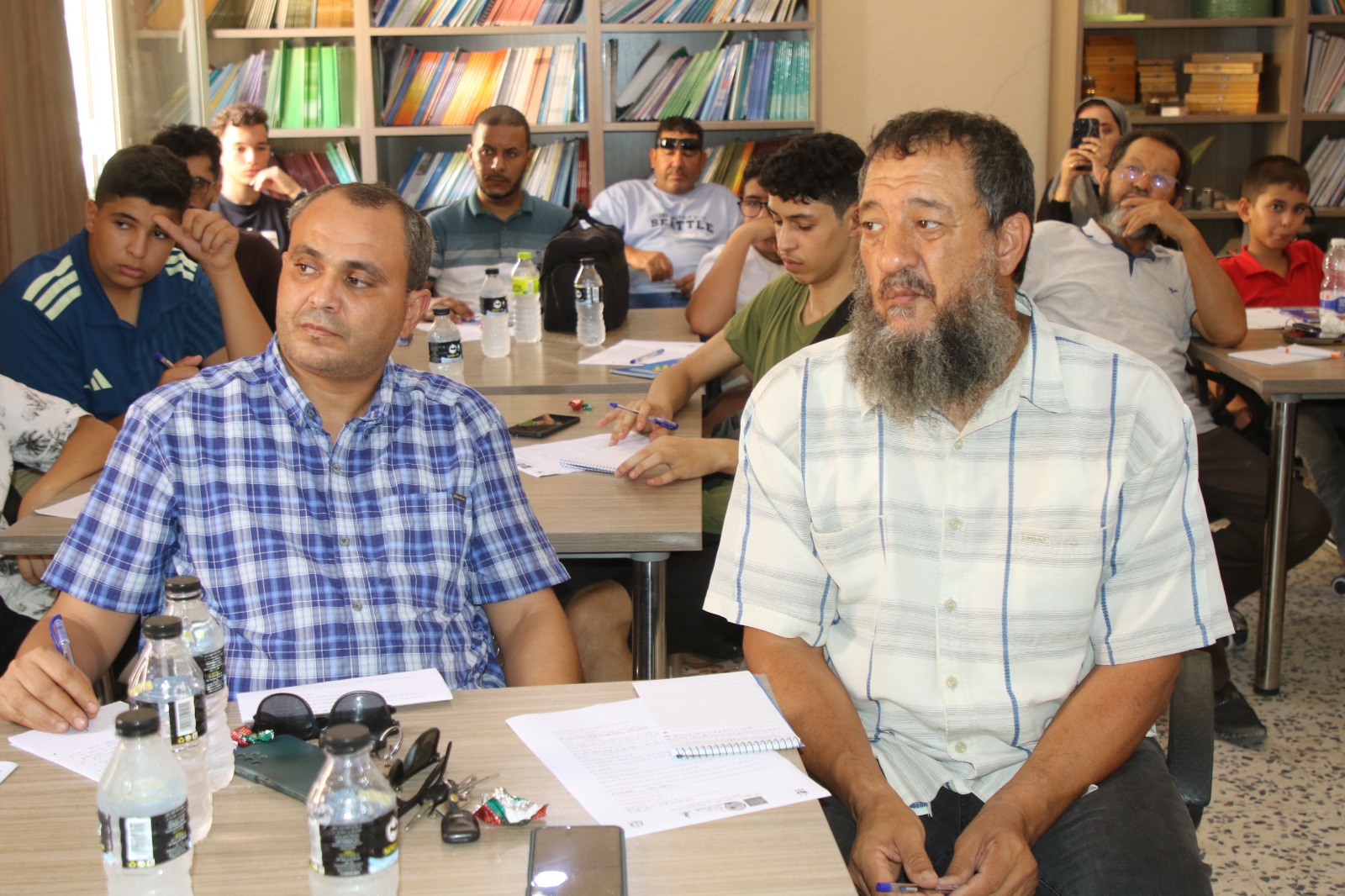
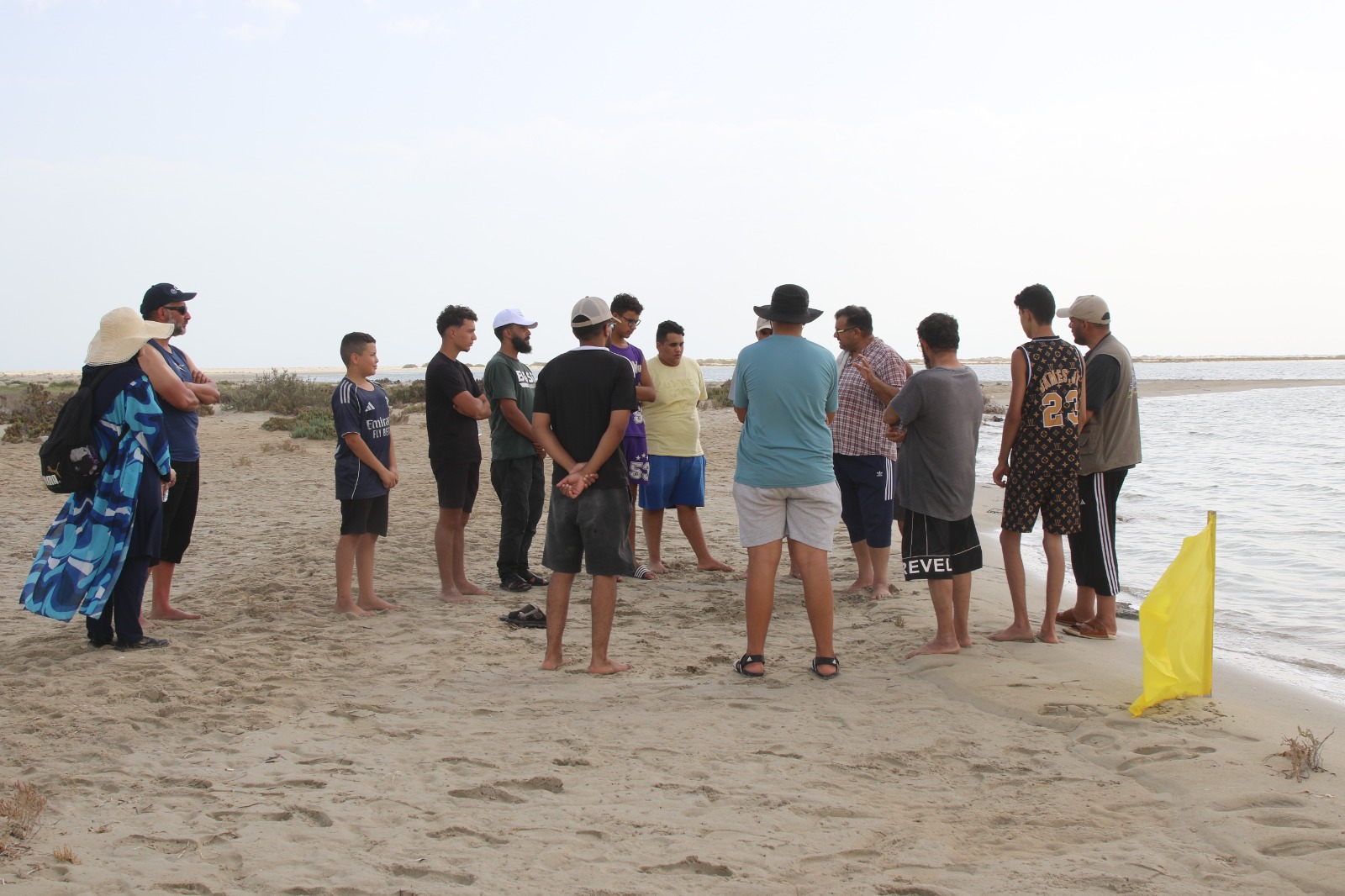
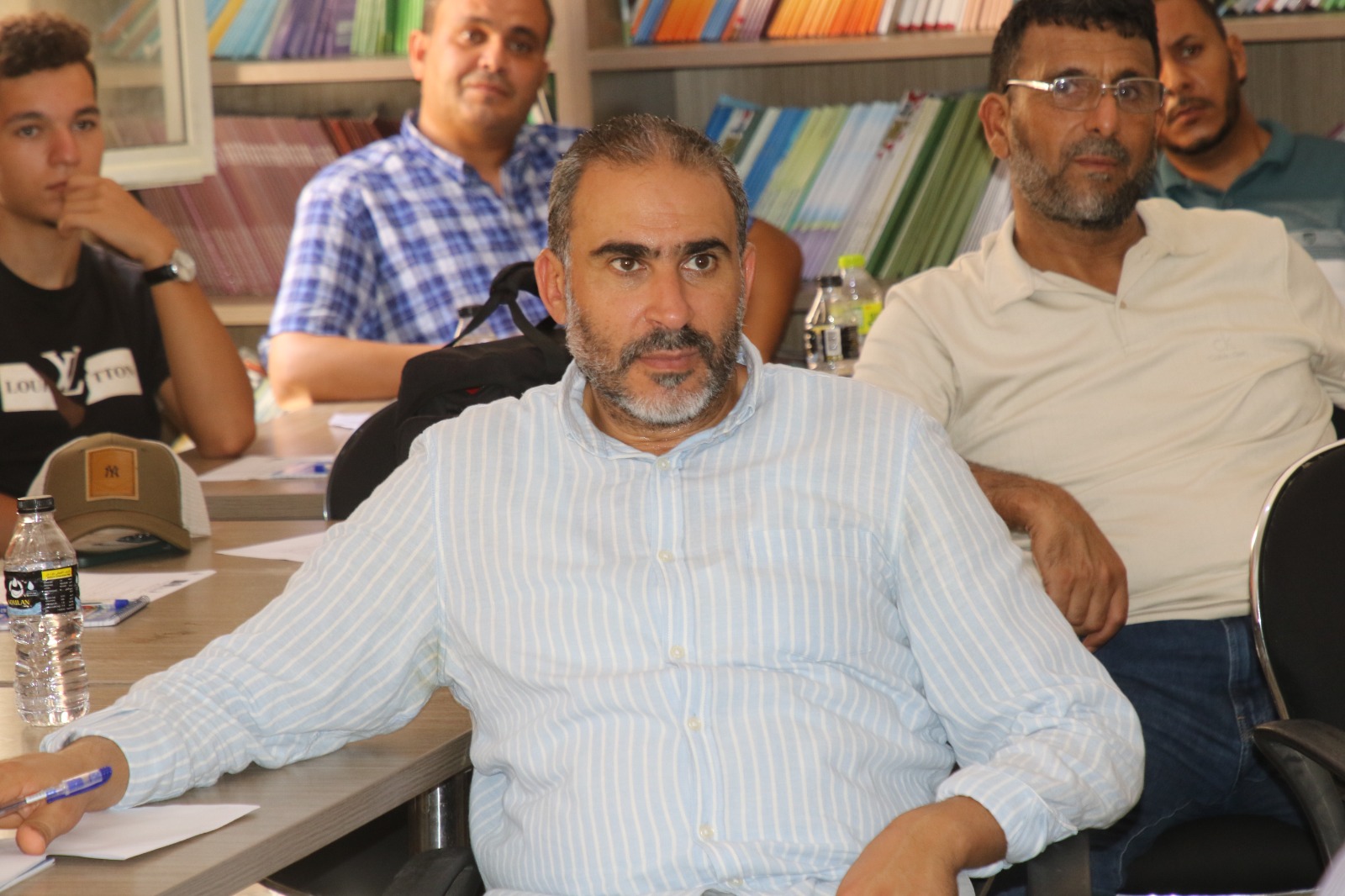
The camp featured a diverse scientific and field-based programme combining theoretical lectures with practical training, with the aim of strengthening participants’ knowledge and skills in biodiversity monitoring, species identification, and the study of natural habitats within the reserve.
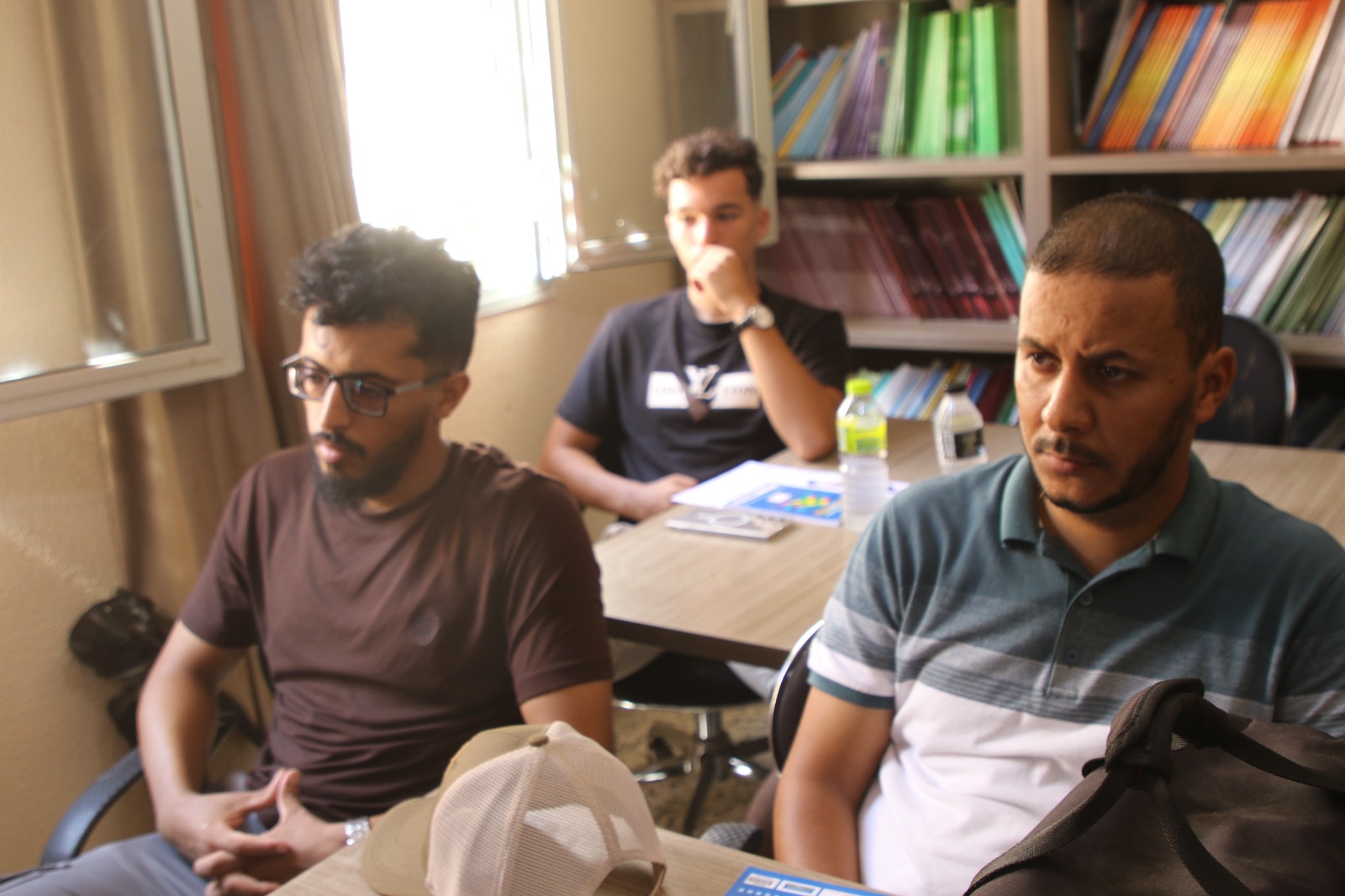
First day — Theoretical Scientific Programme
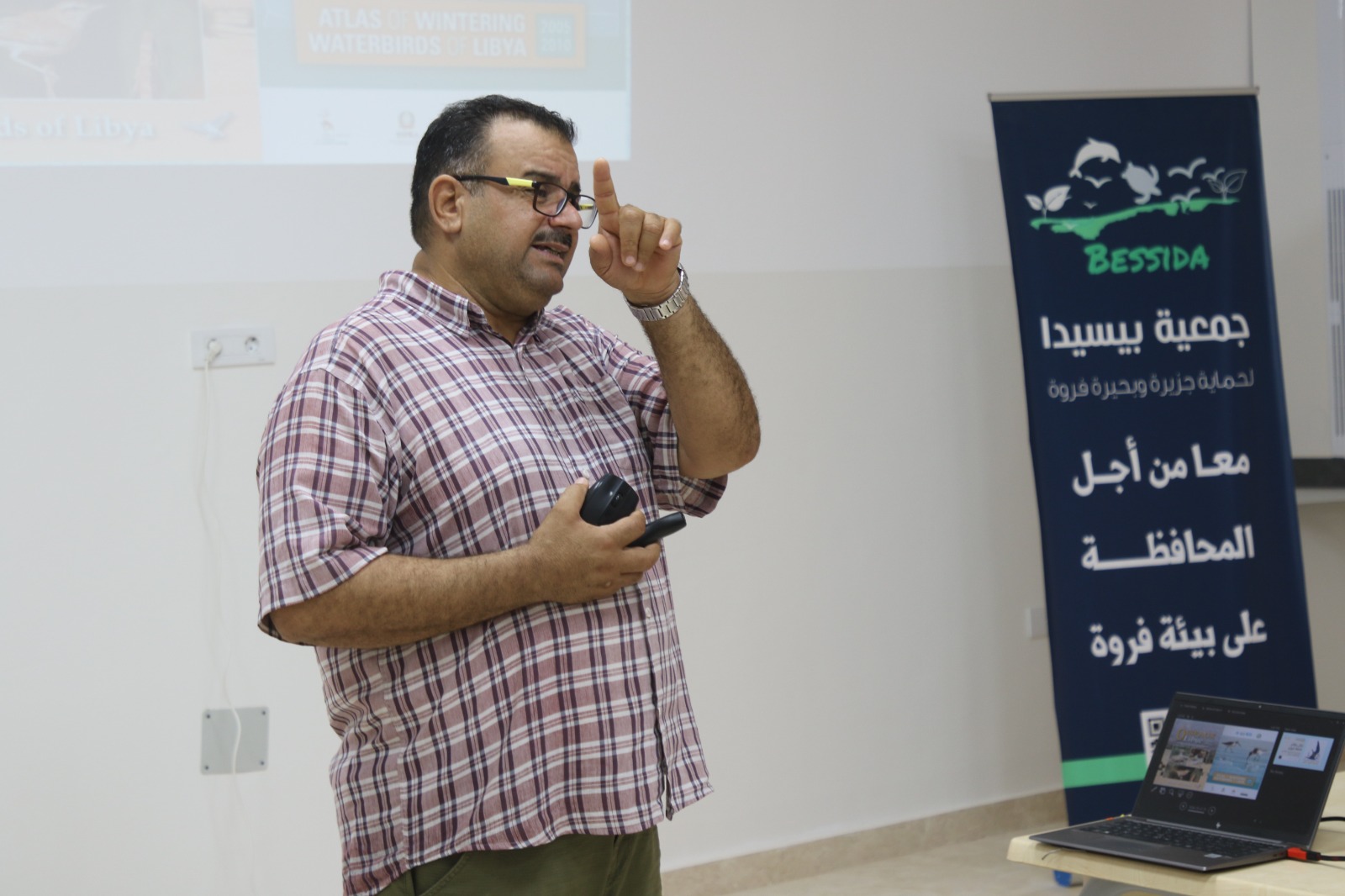
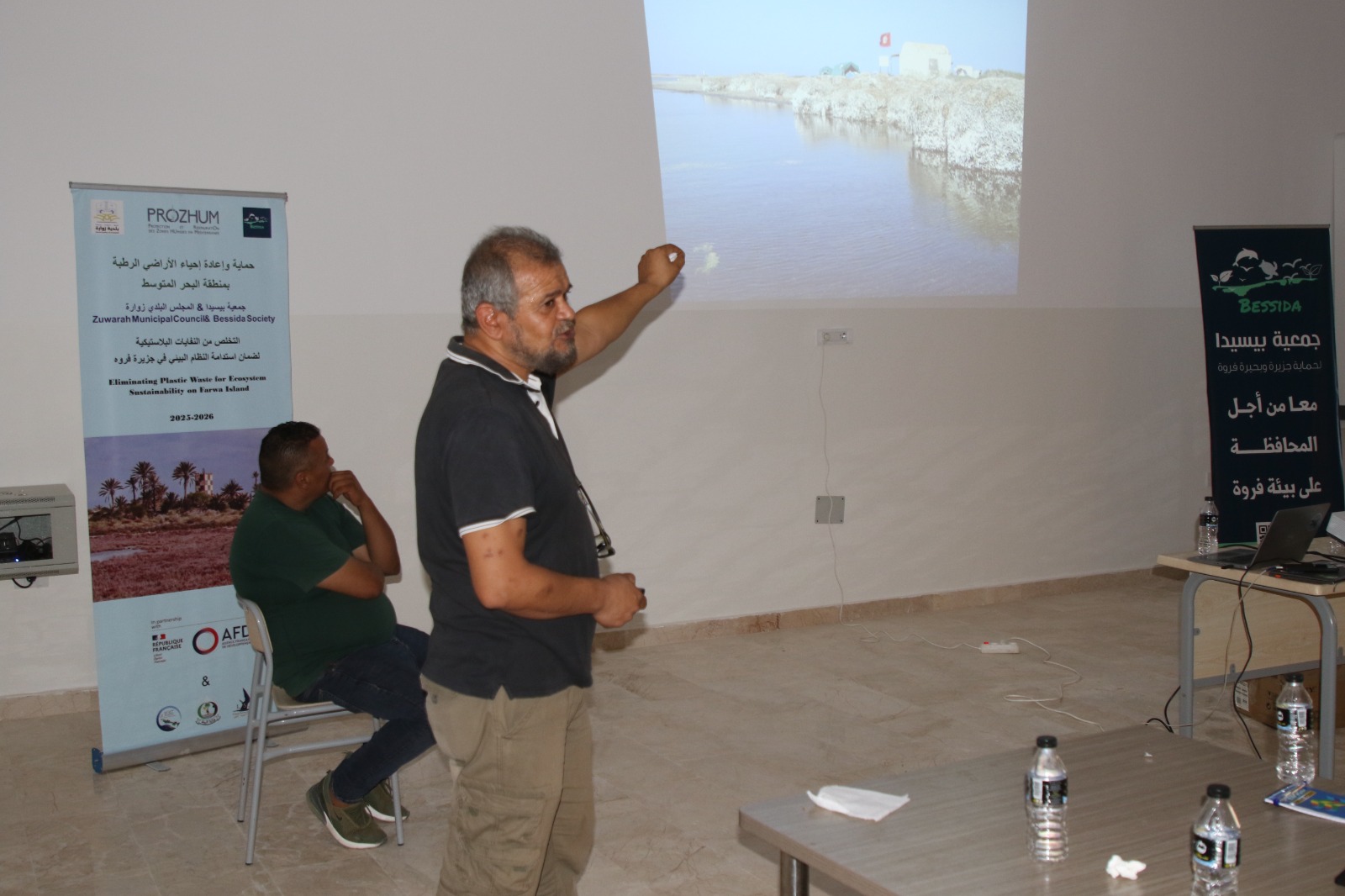
The camp began with a theoretical scientific programme addressing several topics related to the environment and biodiversity of Furwah Reserve. These included the applications of algae in scientific research, the ecological importance of Furwah Island and Lake, the threats facing these ecosystems, and approaches to protecting the island from erosion. The programme also introduced participants to seagrass meadows of the genus Posidonia and their ecological importance.
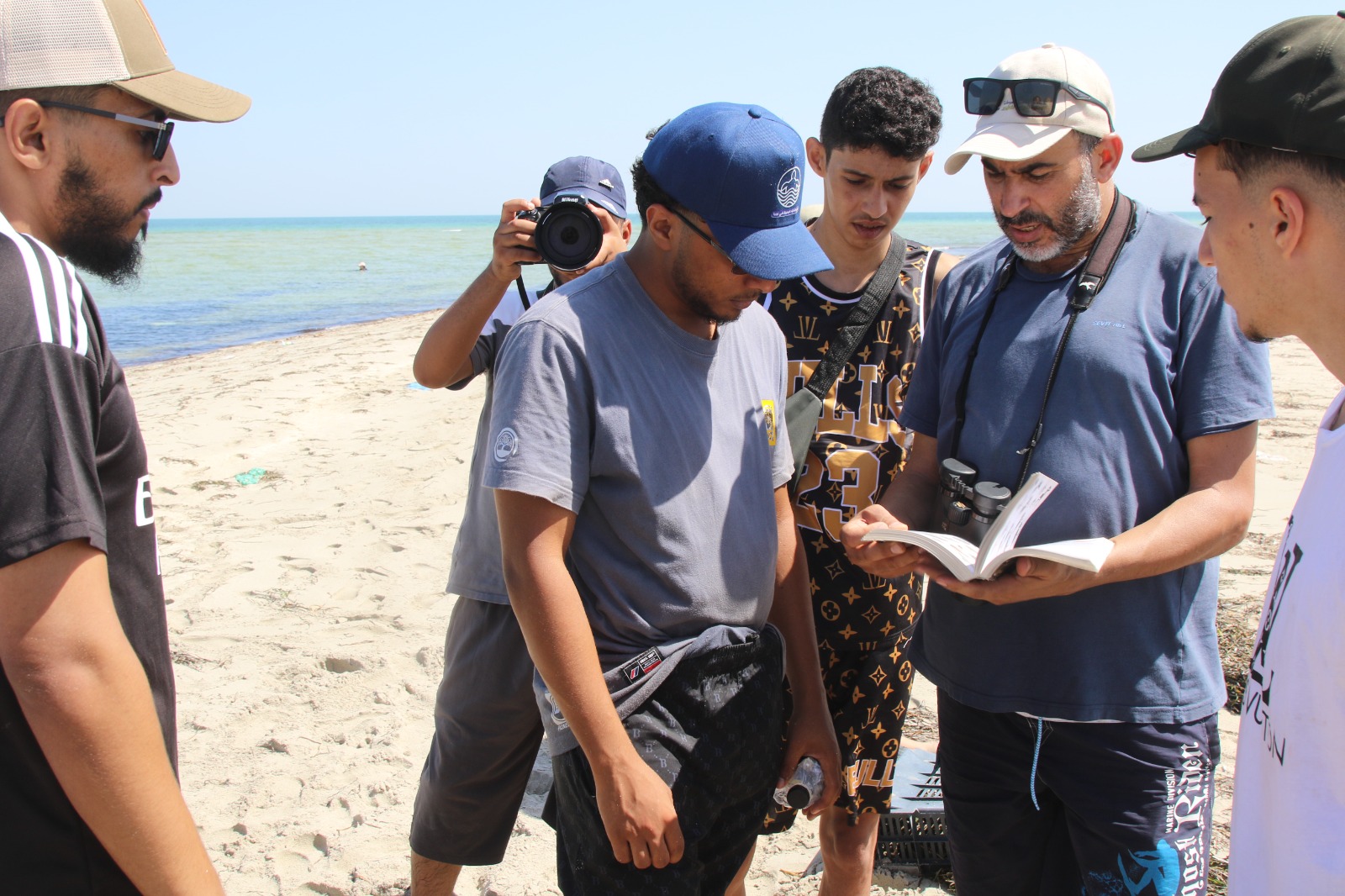
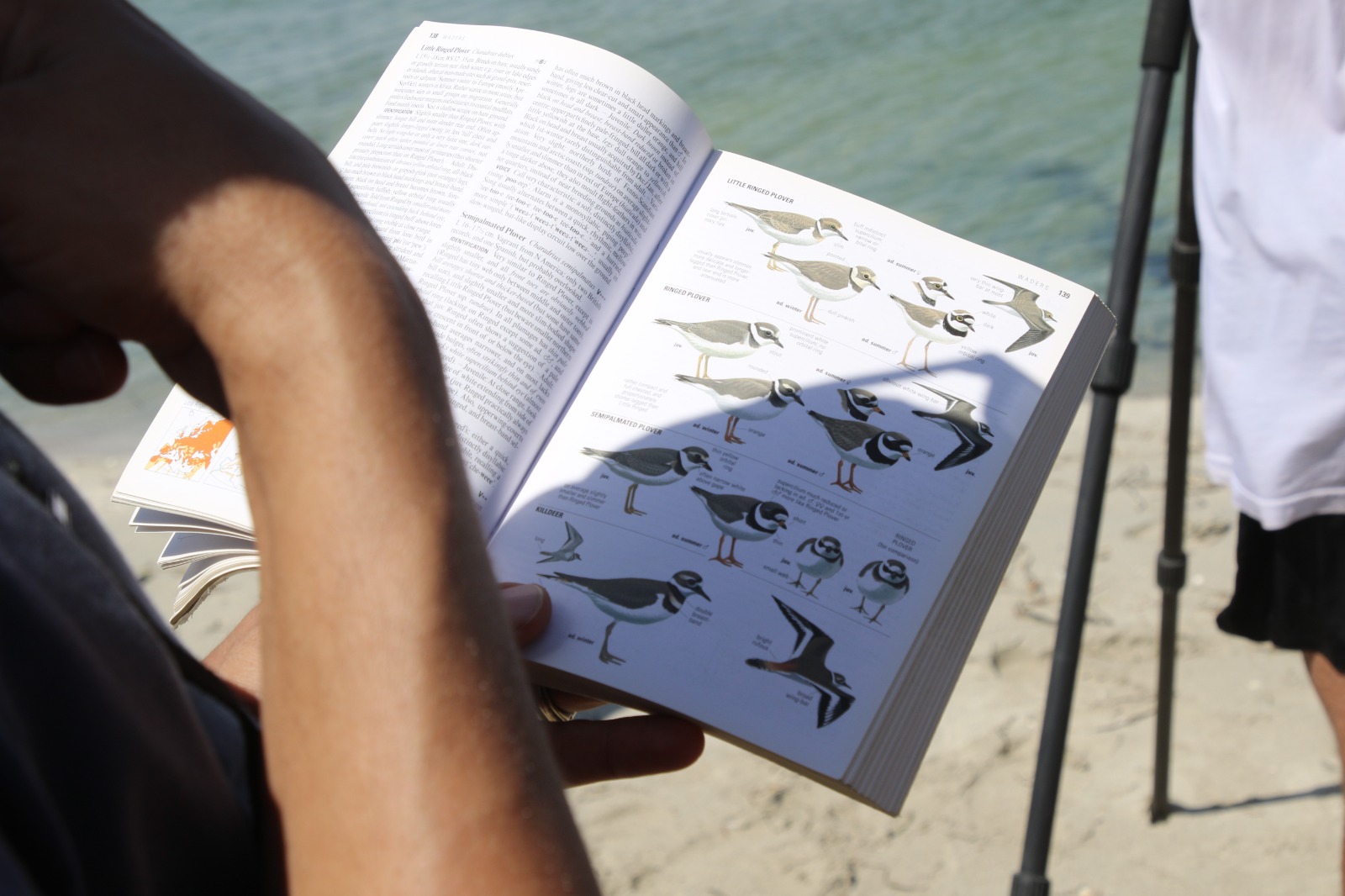
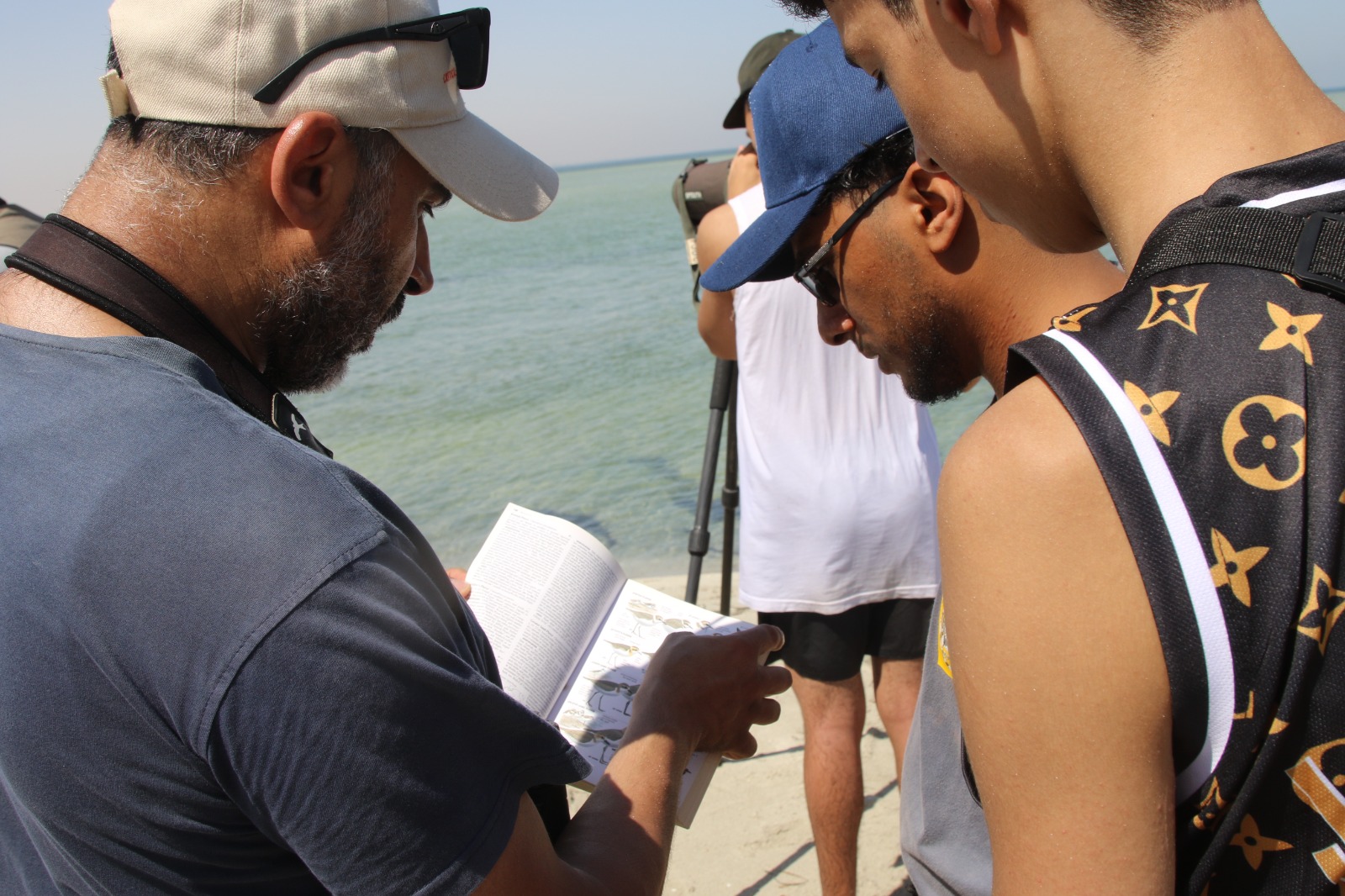
Additional sessions focused on sea turtles and their conservation, as well as migratory birds, the threats they face, and methods for species identification, monitoring, and counting.
Second day — Field Training
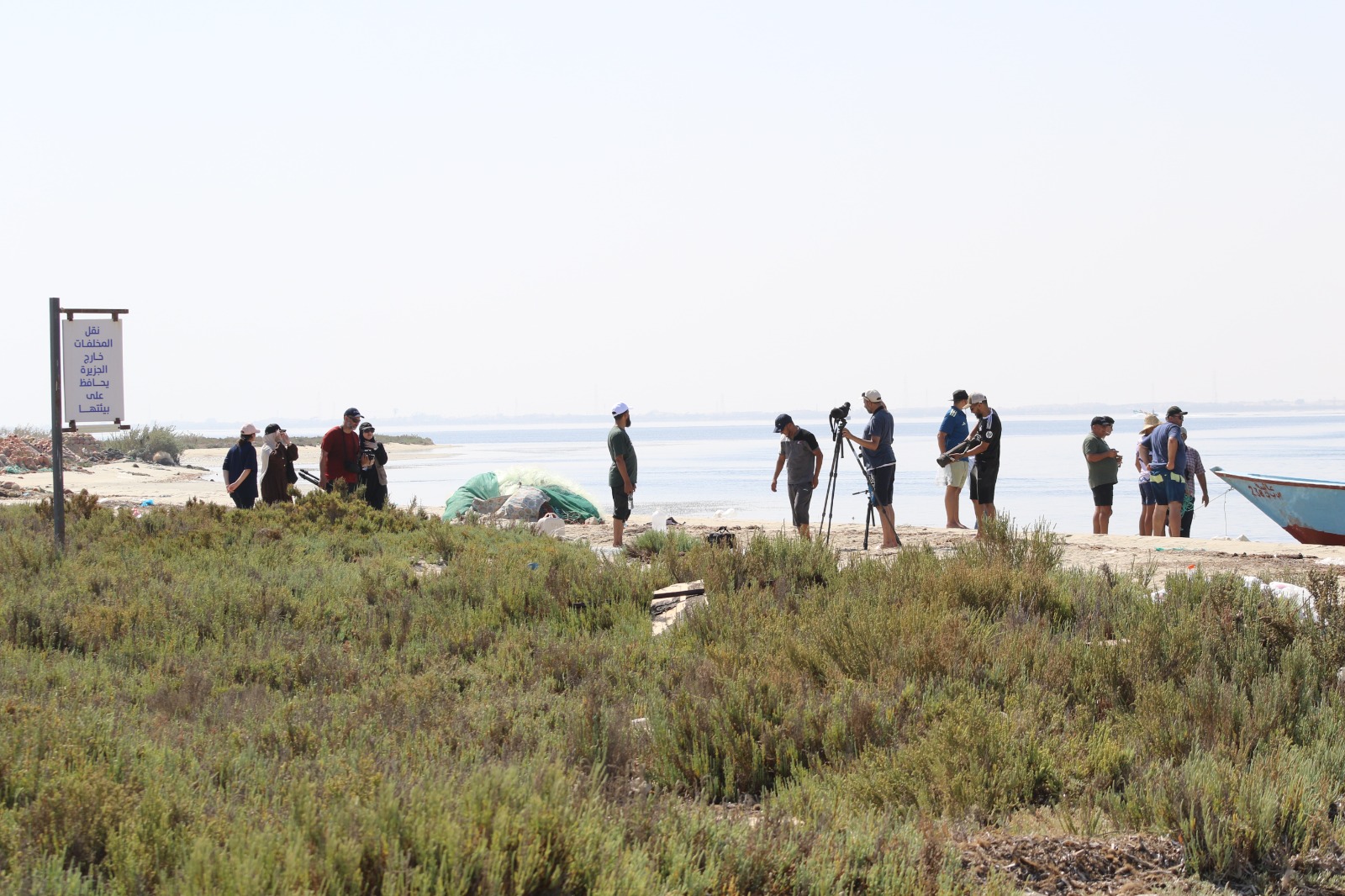
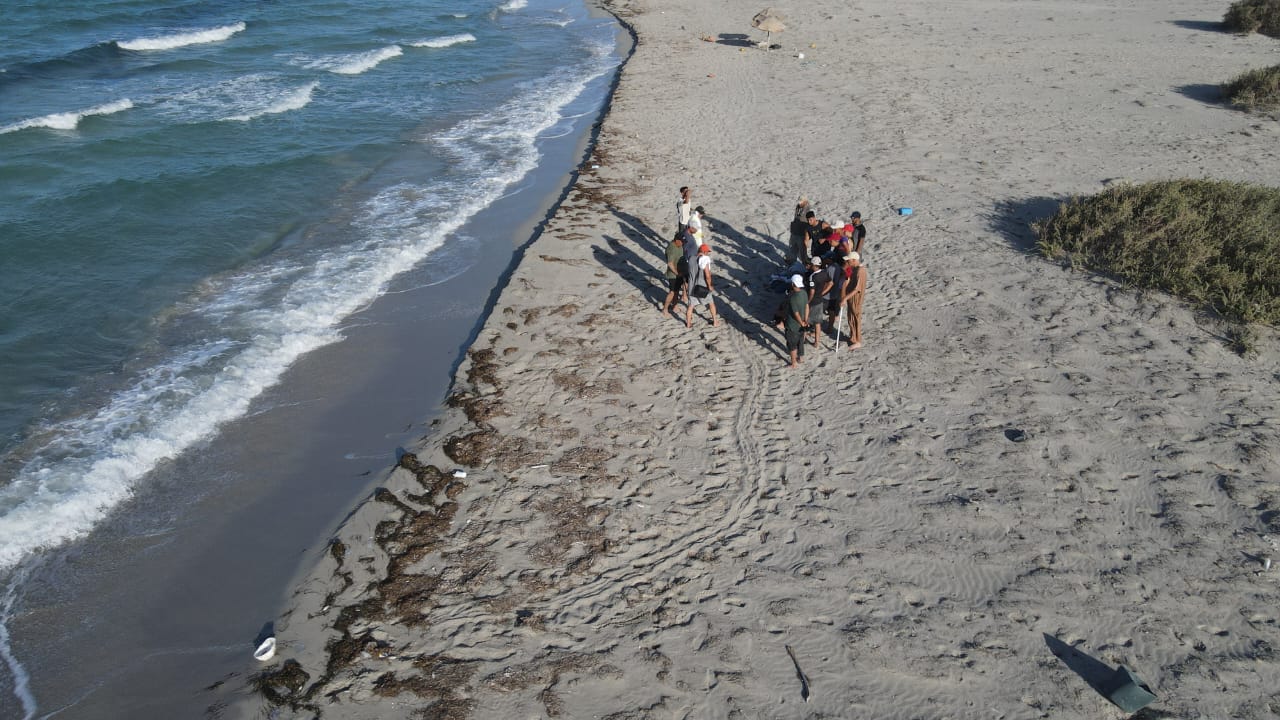
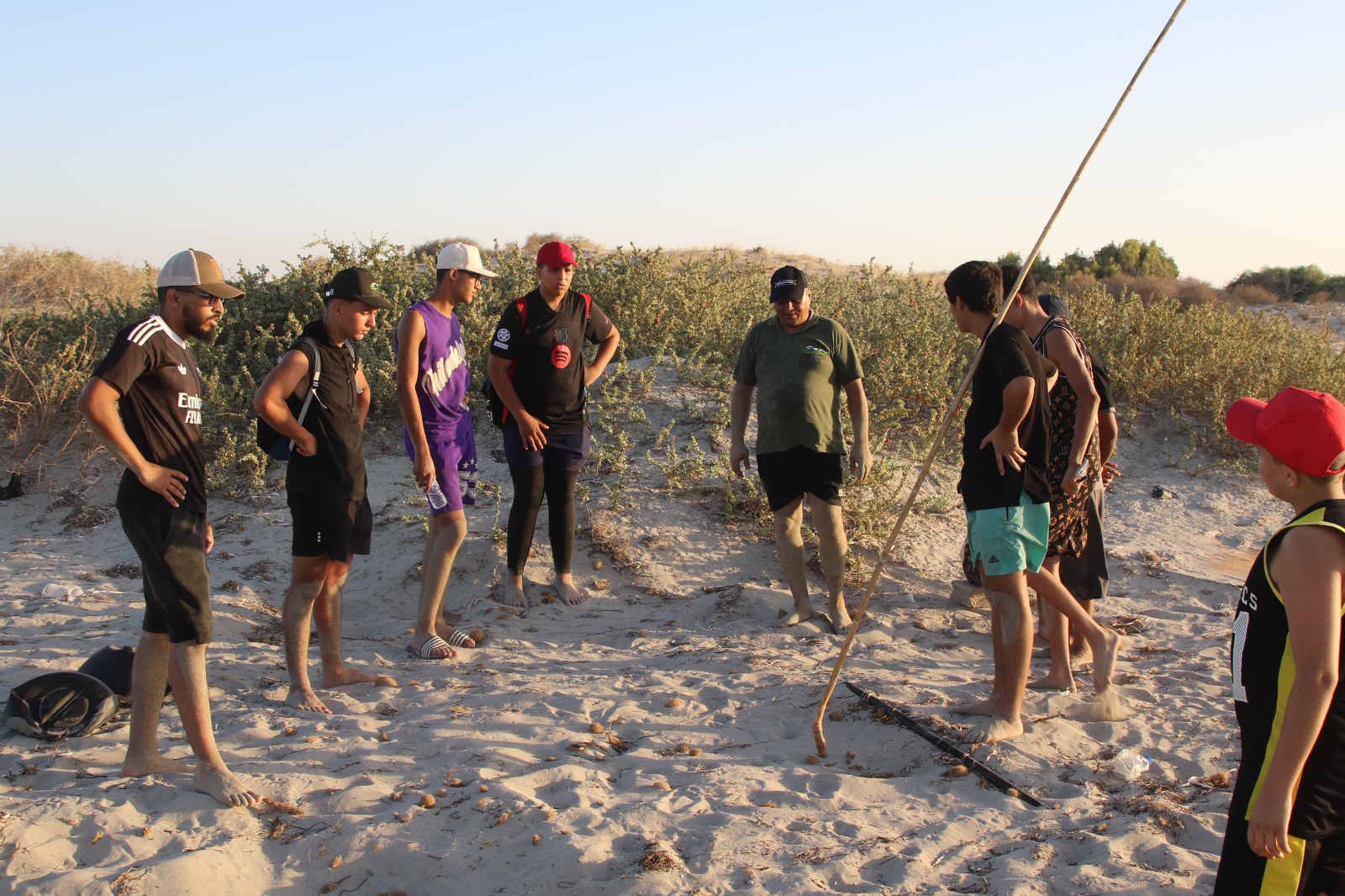
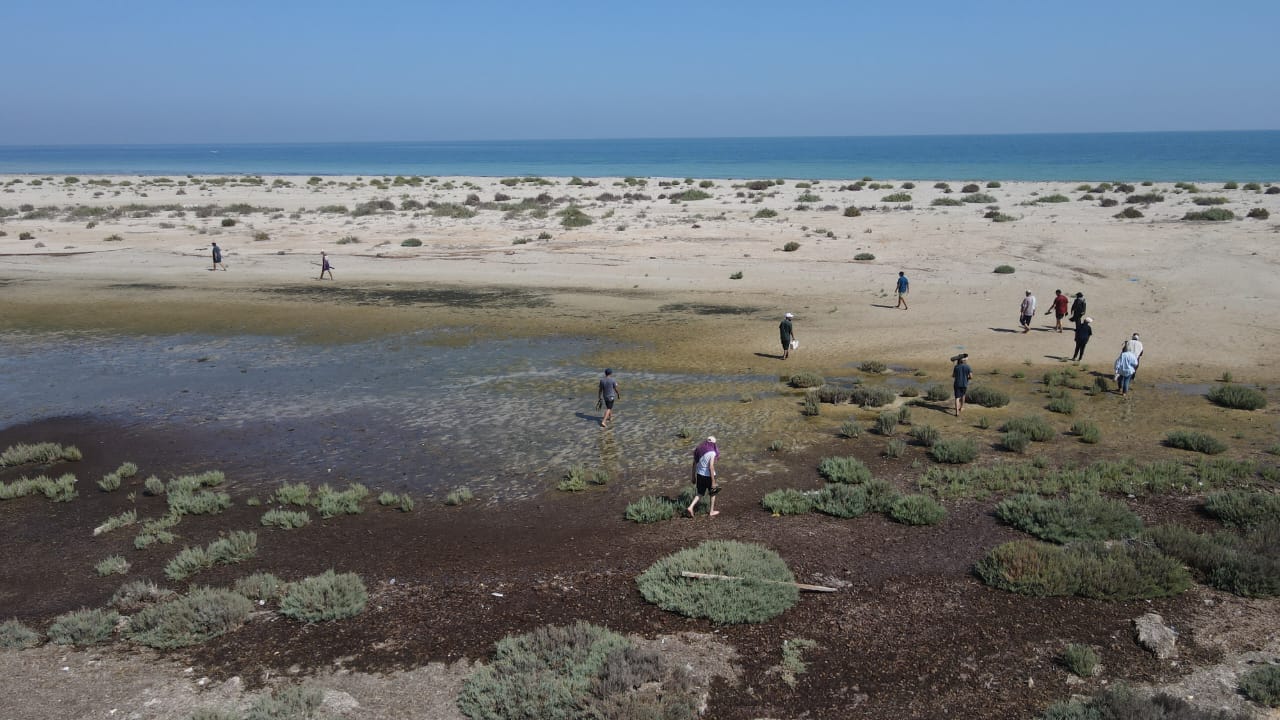
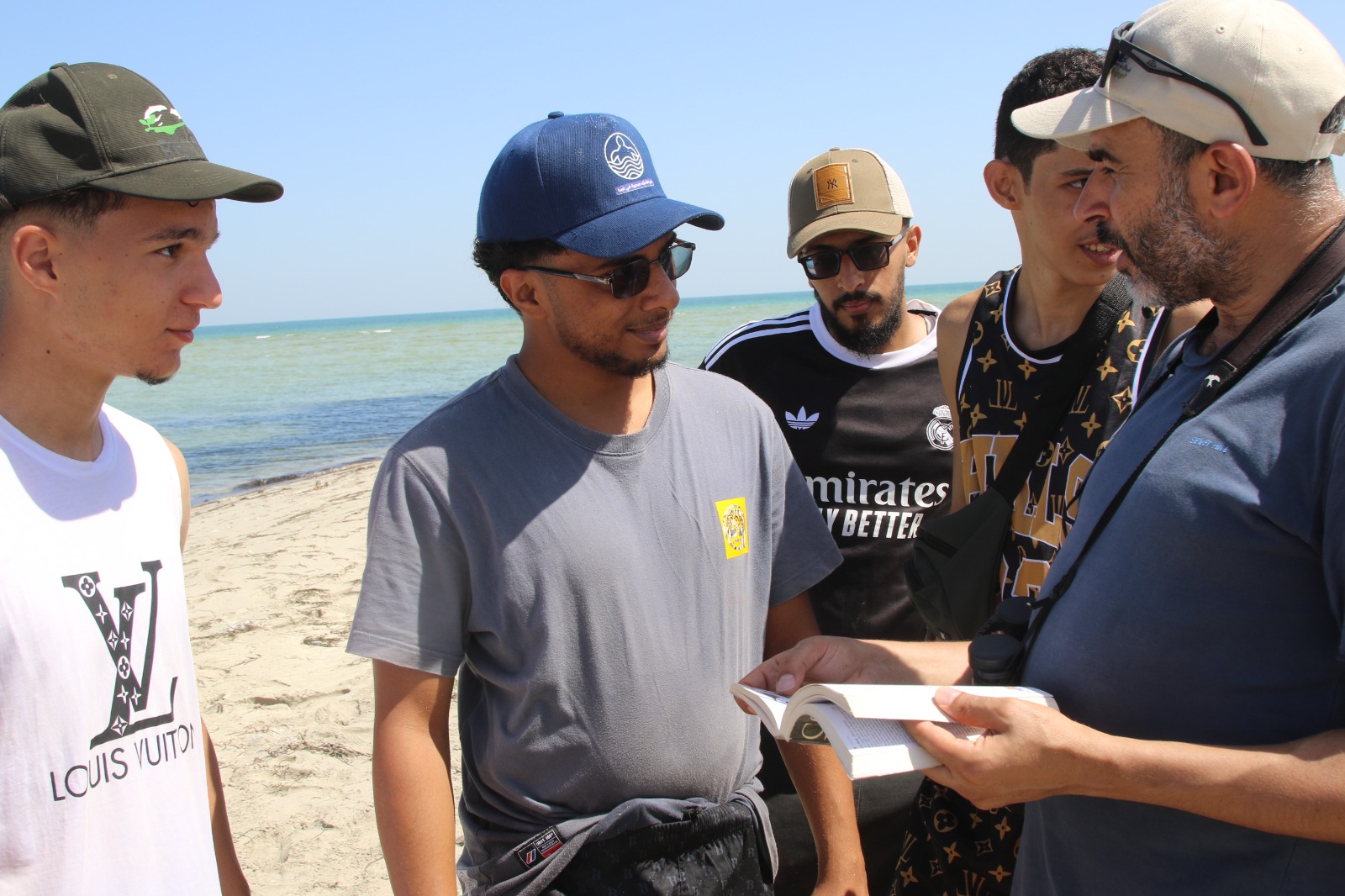
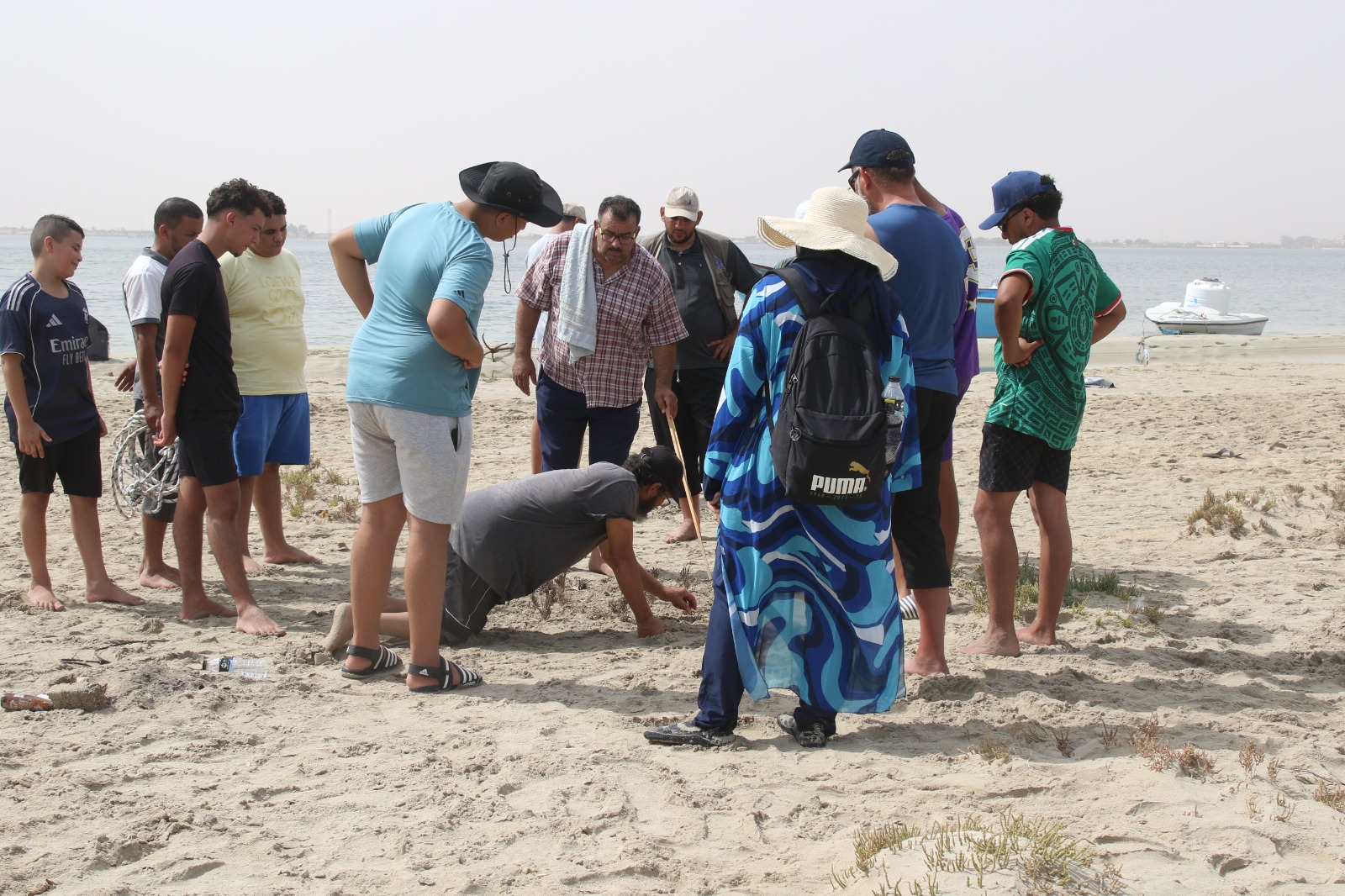
The second day was dedicated to practical field training. Participants received specialized training in monitoring sea turtles and their nesting activity, including identifying turtle tracks on the beach, distinguishing different types of tracks, locating nests and recording their positions, and understanding the field data that should be collected during monitoring and follow-up activities.
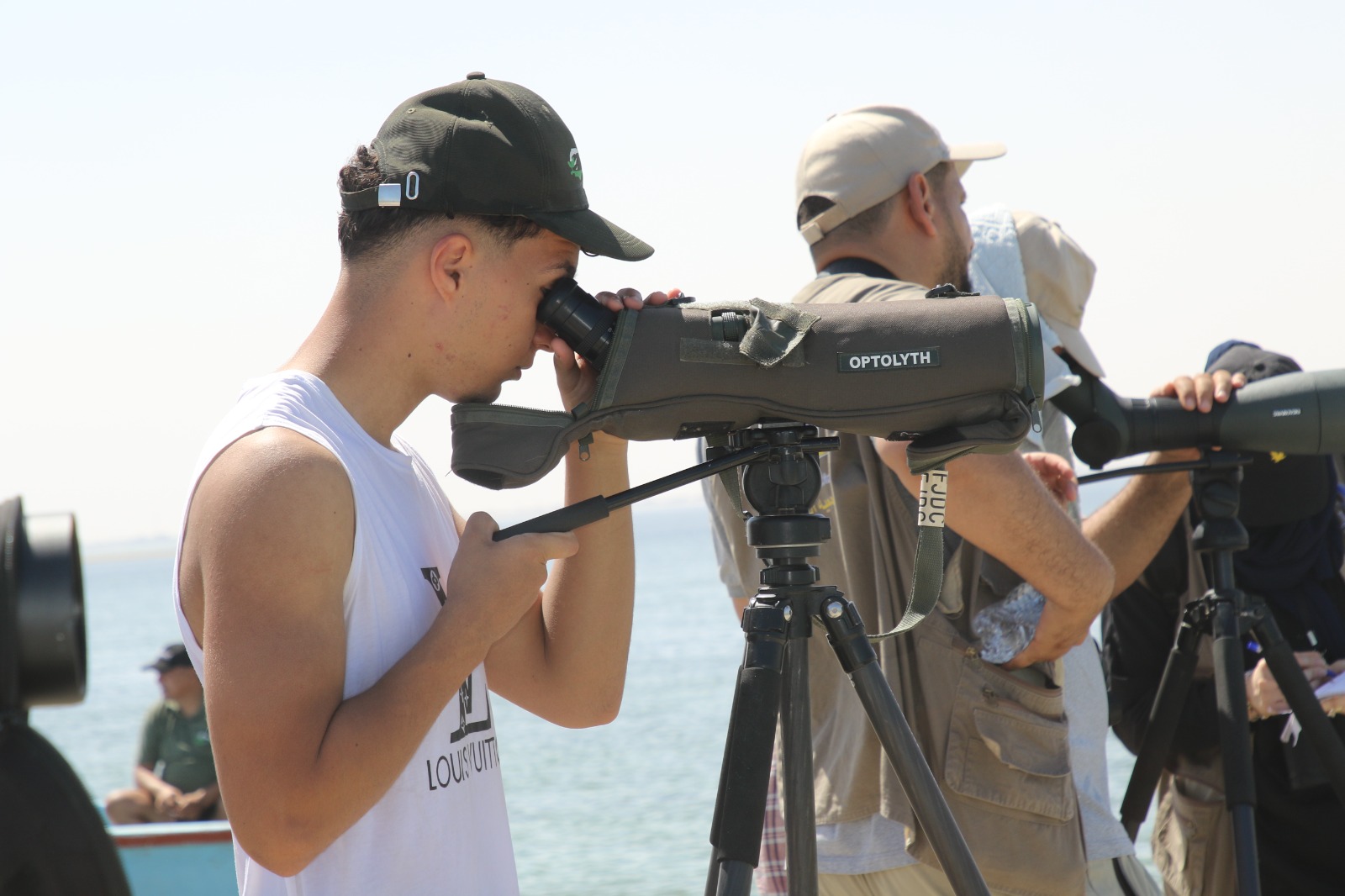
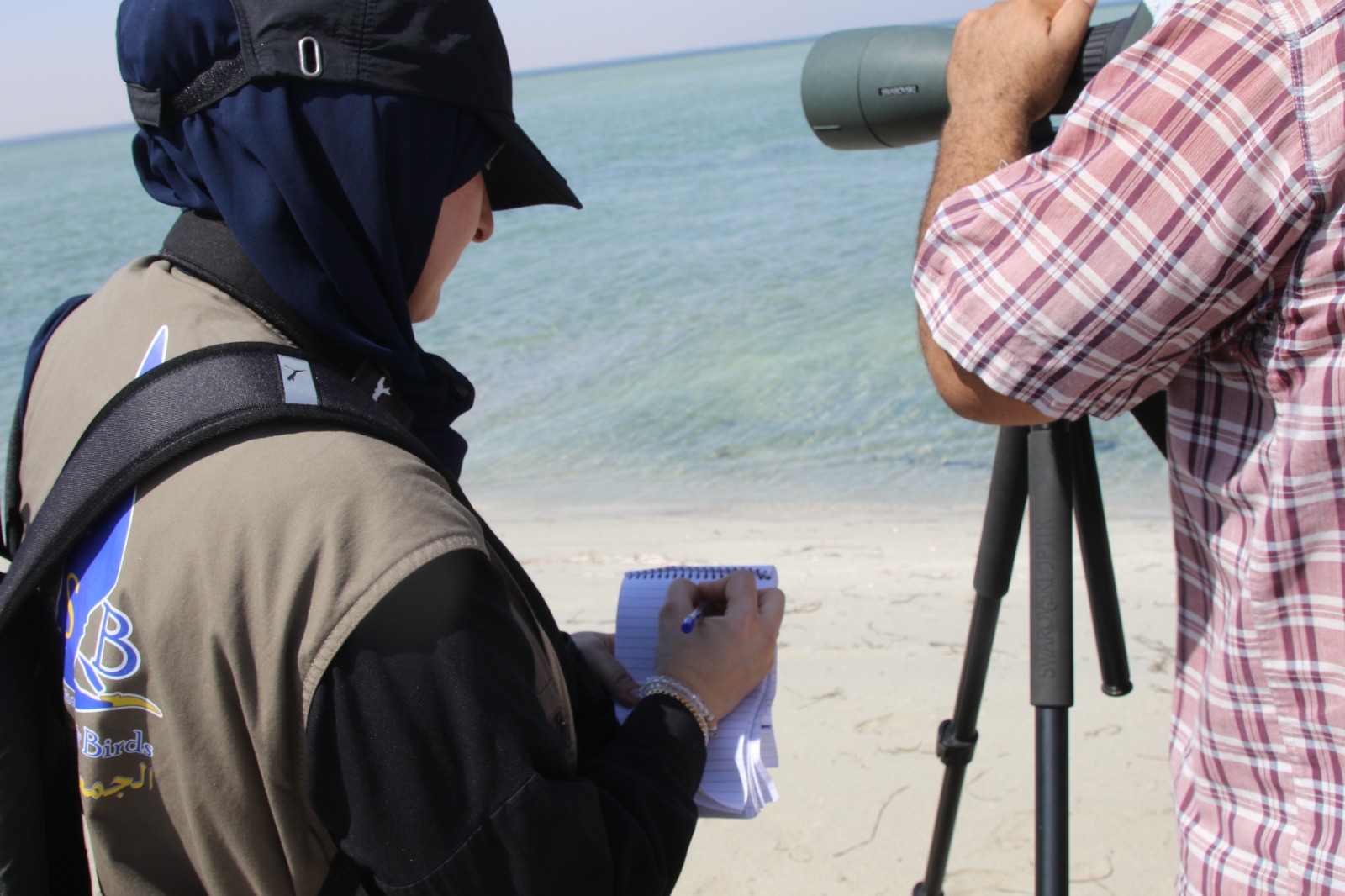
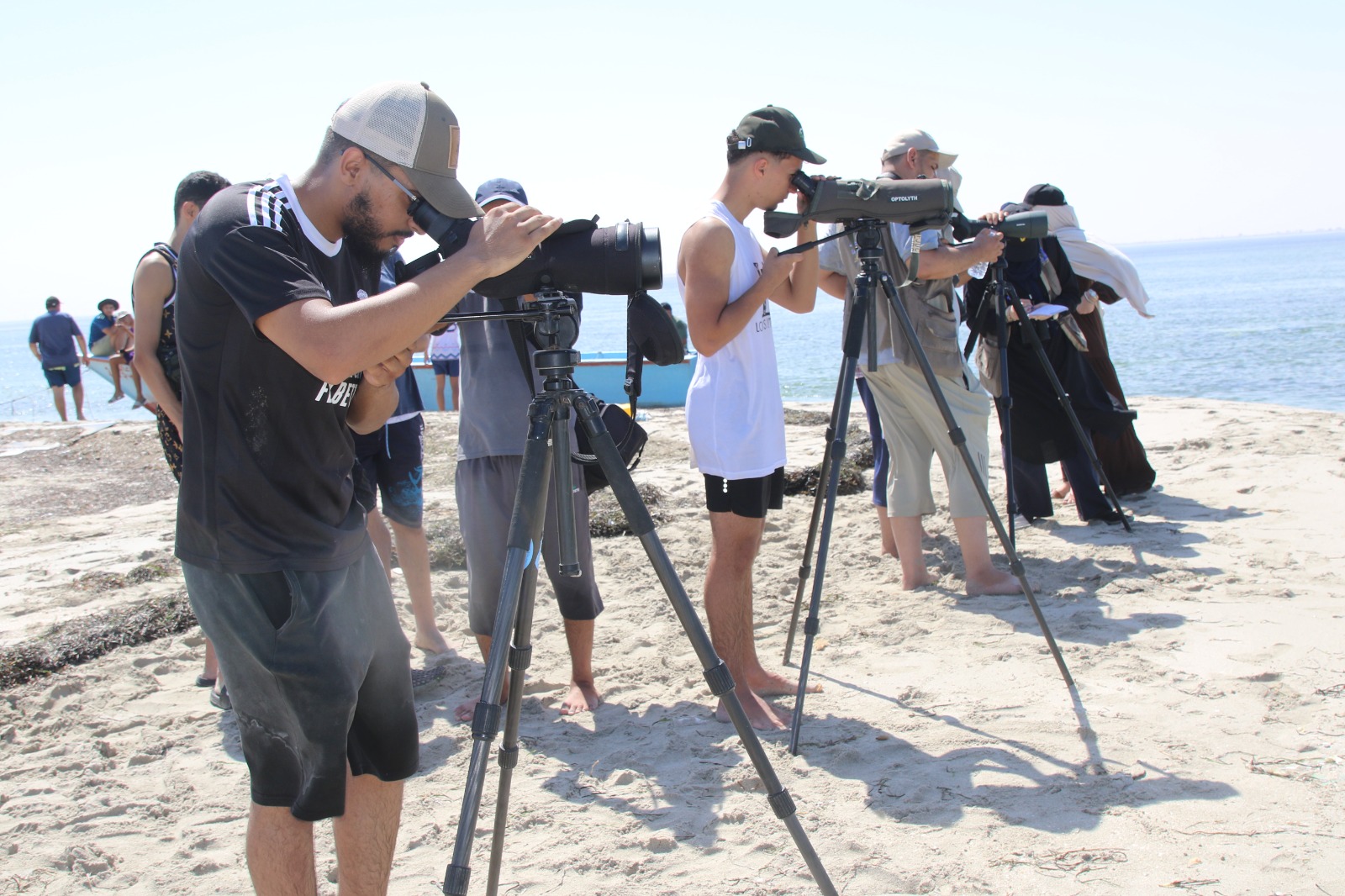
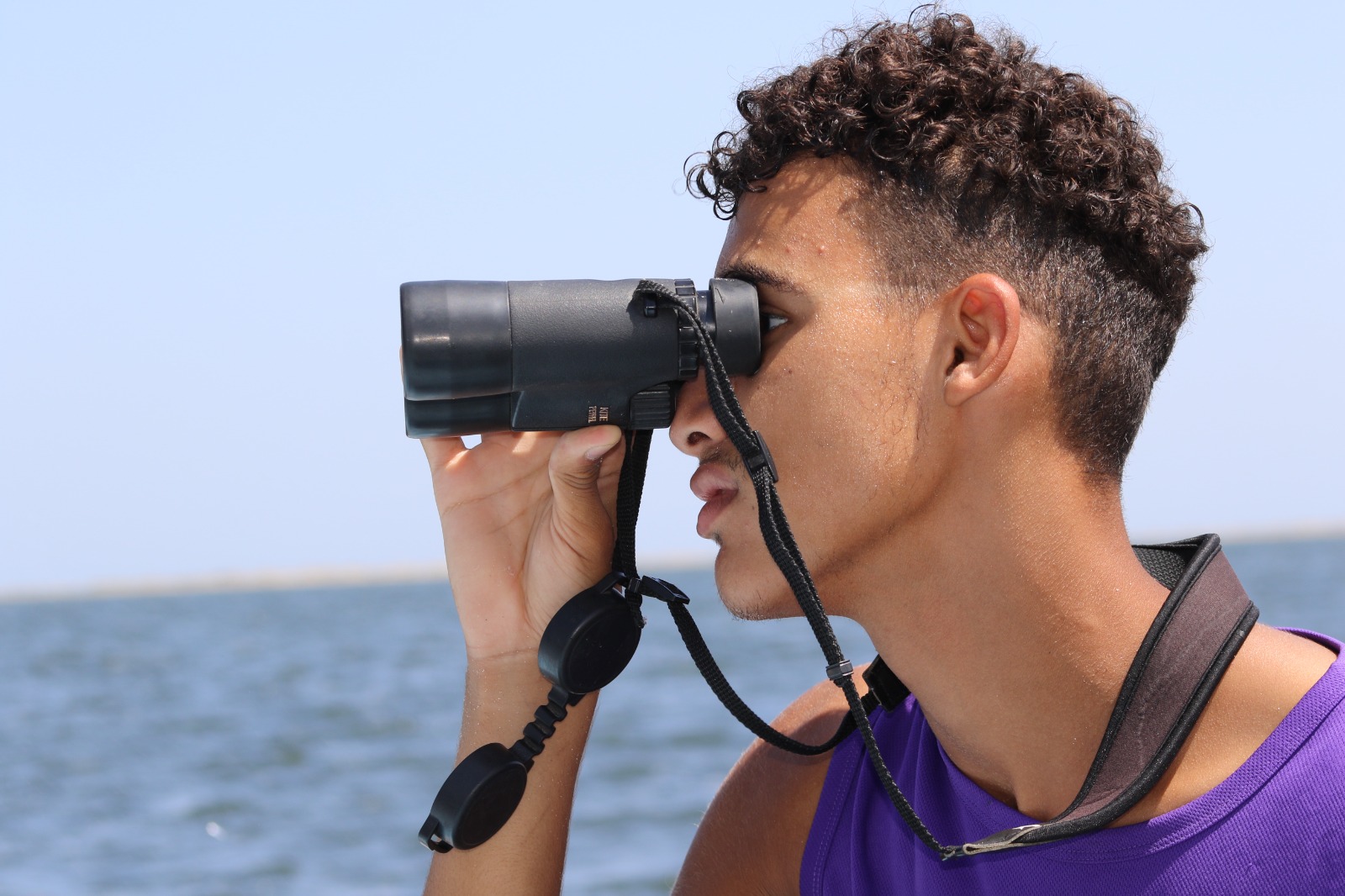
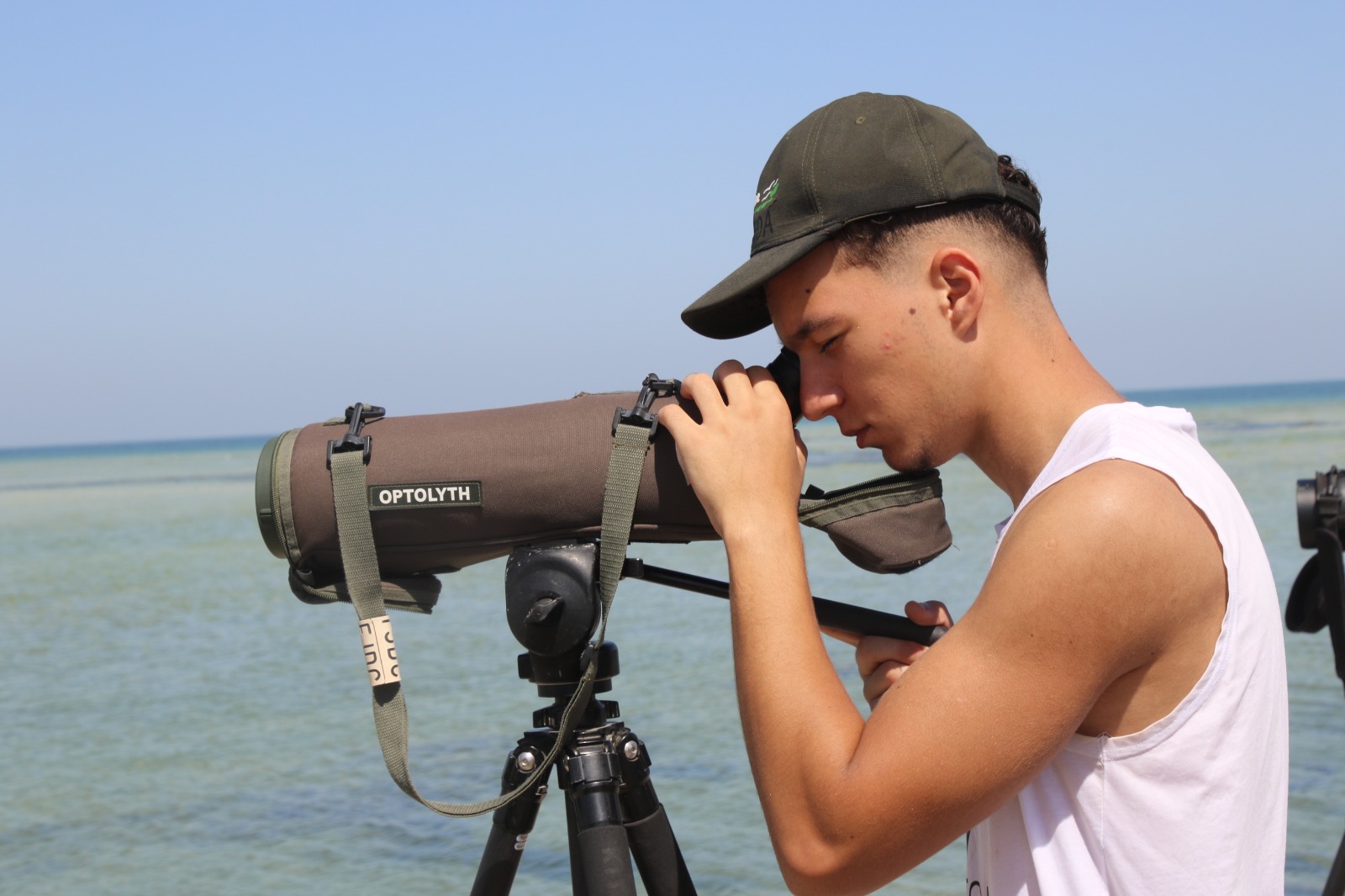
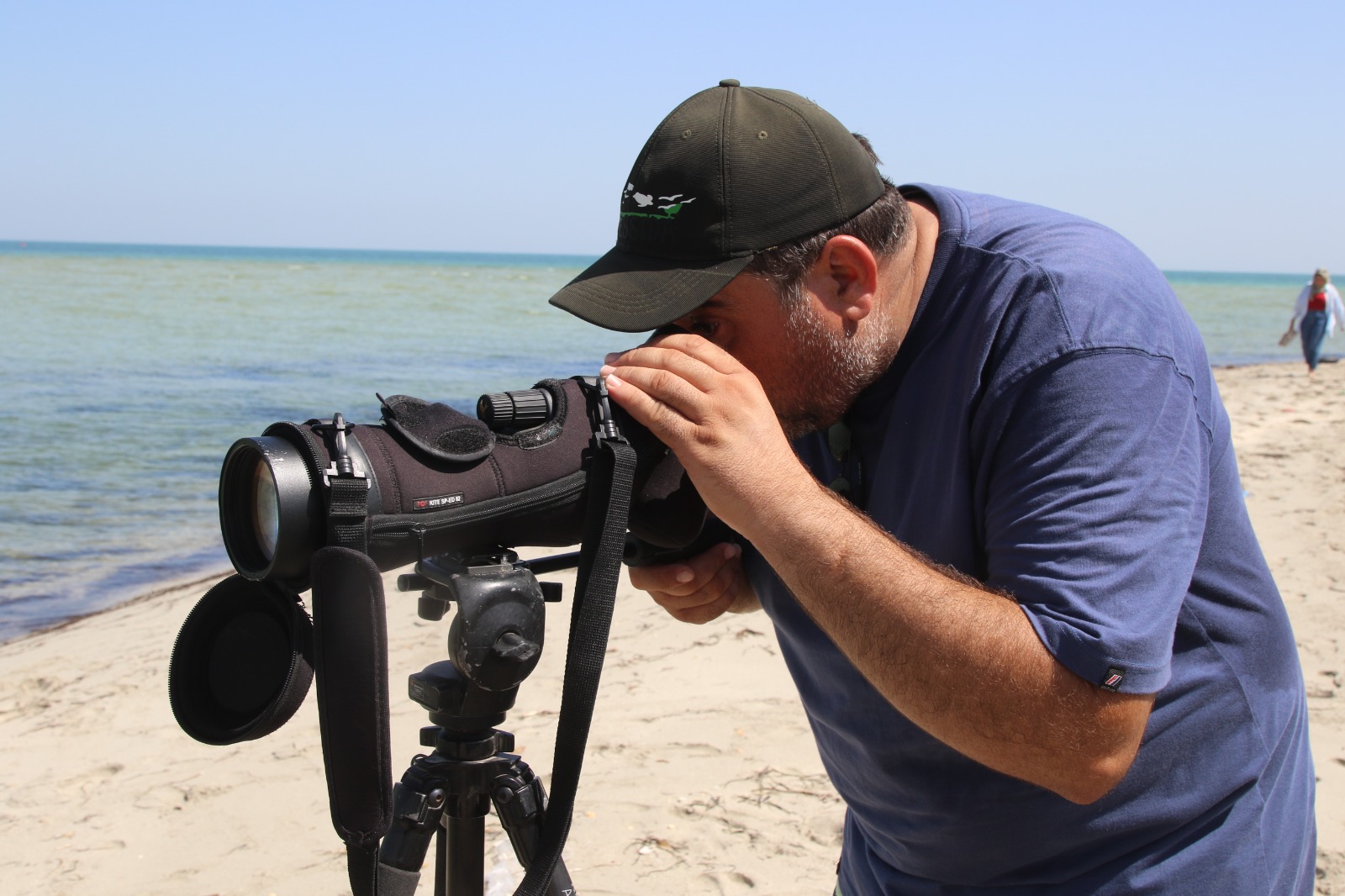
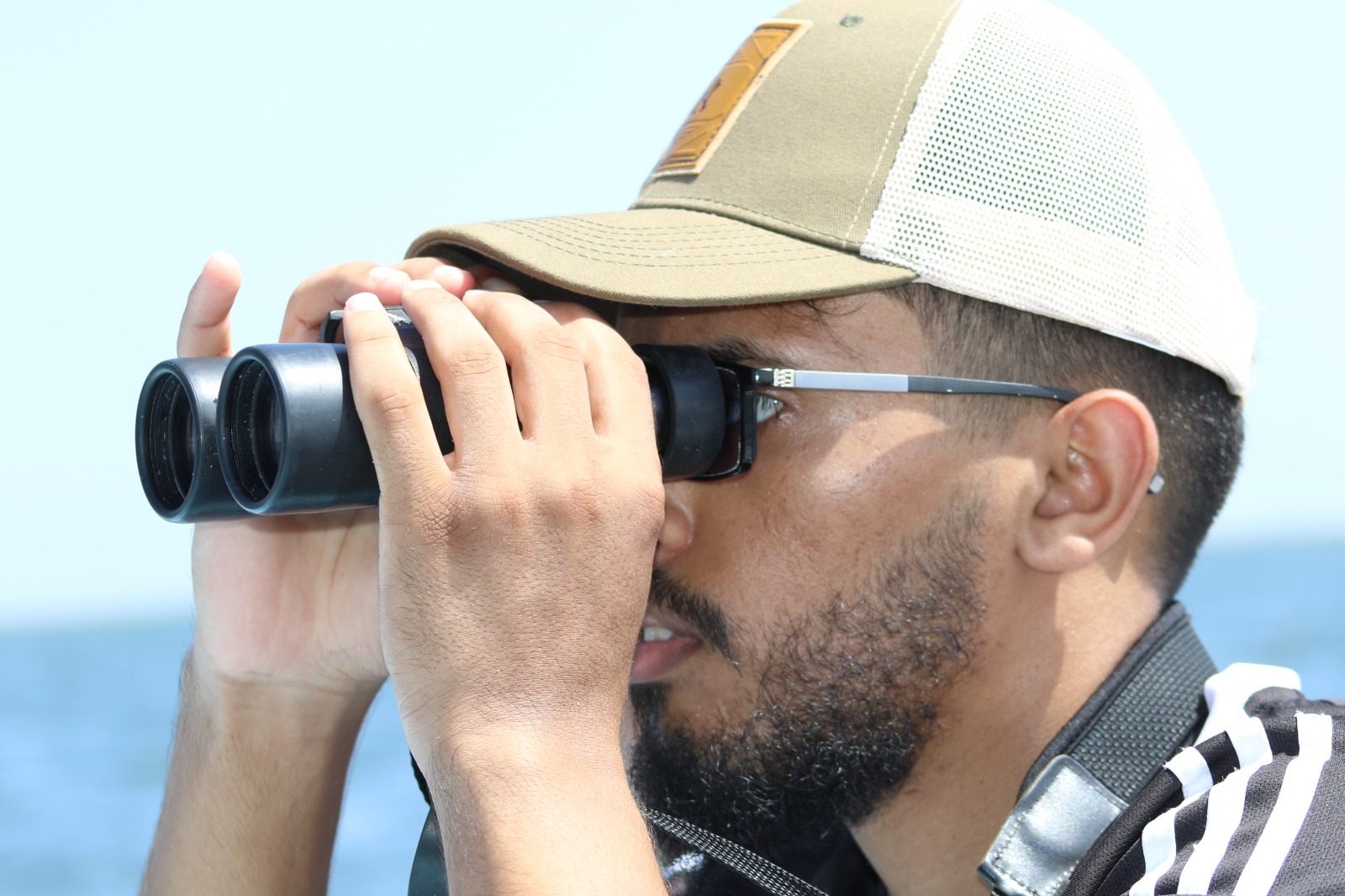
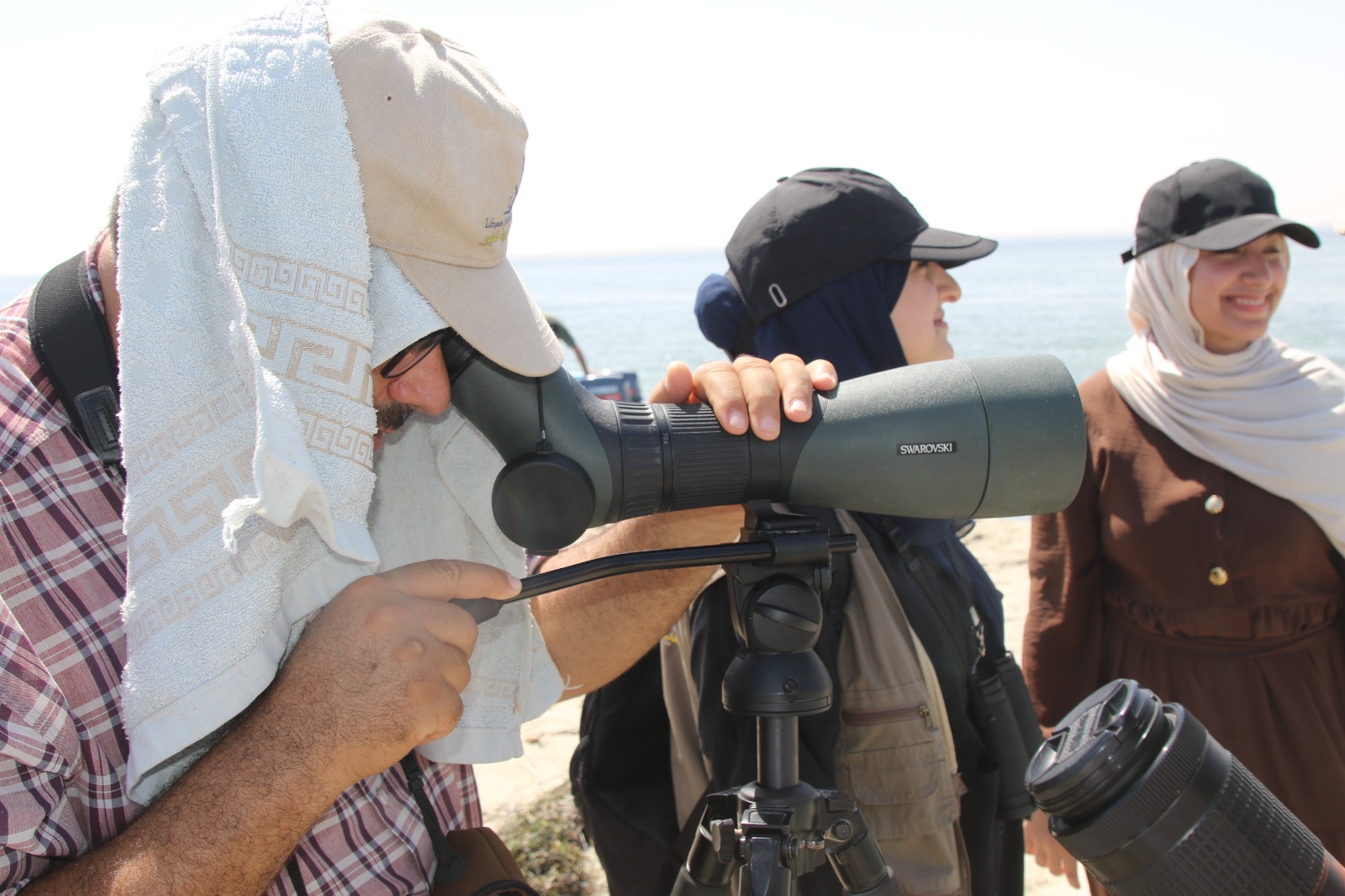
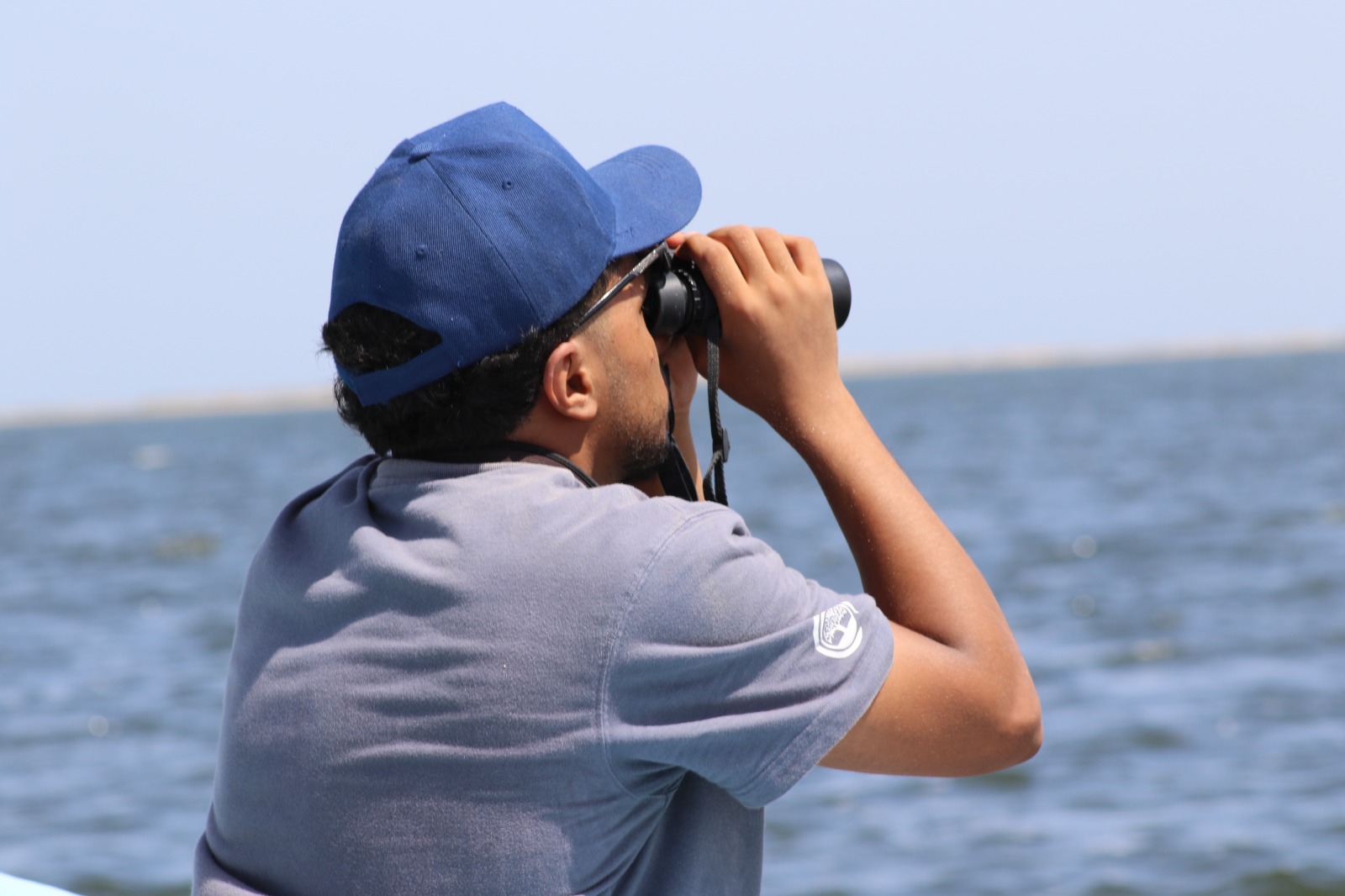
The day also included practical training in waterbird monitoring and identification, including the use of appropriate field observation and documentation techniques and equipment.
Third day — Studying Posidonia Seagrass Meadows
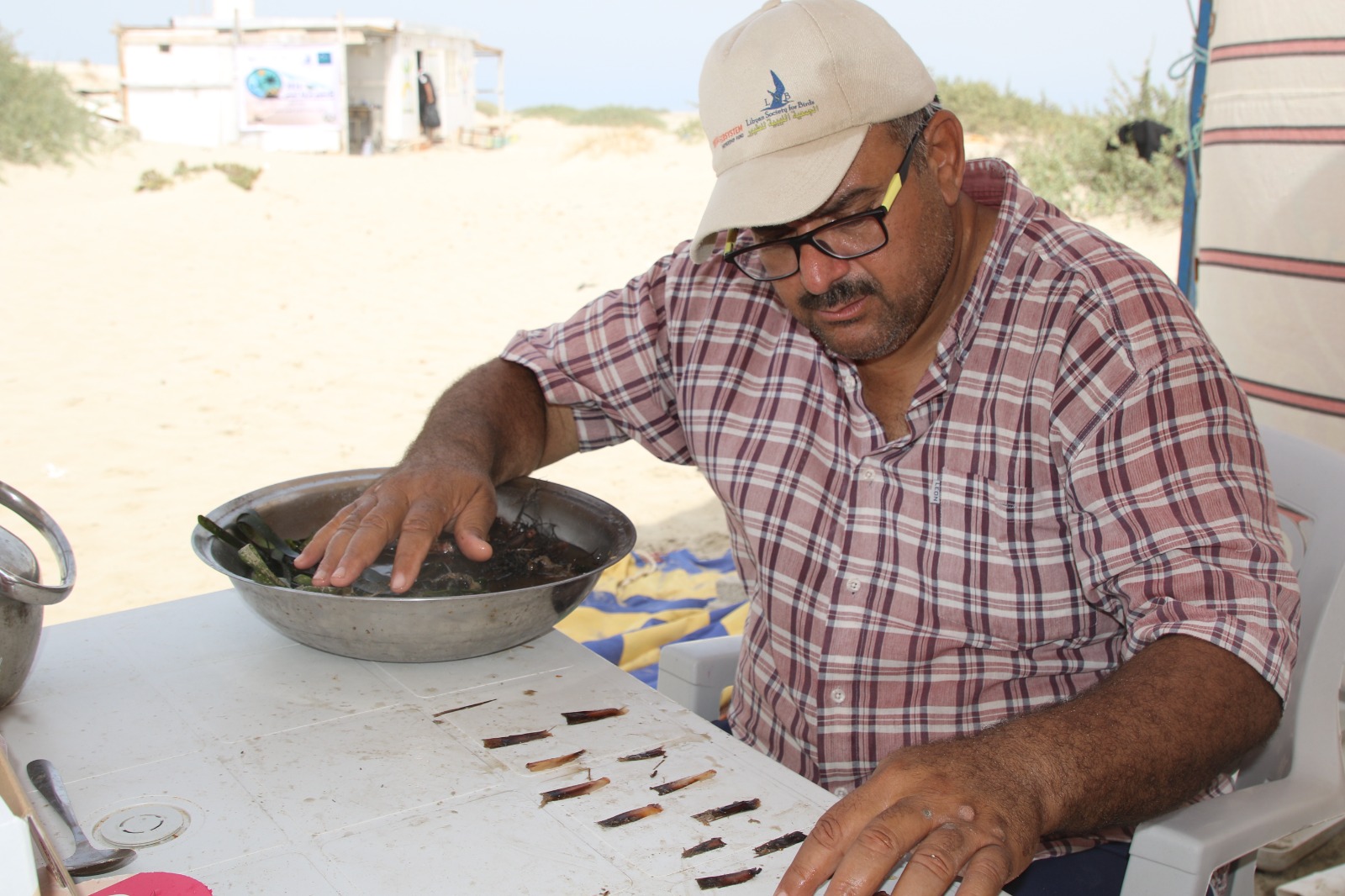
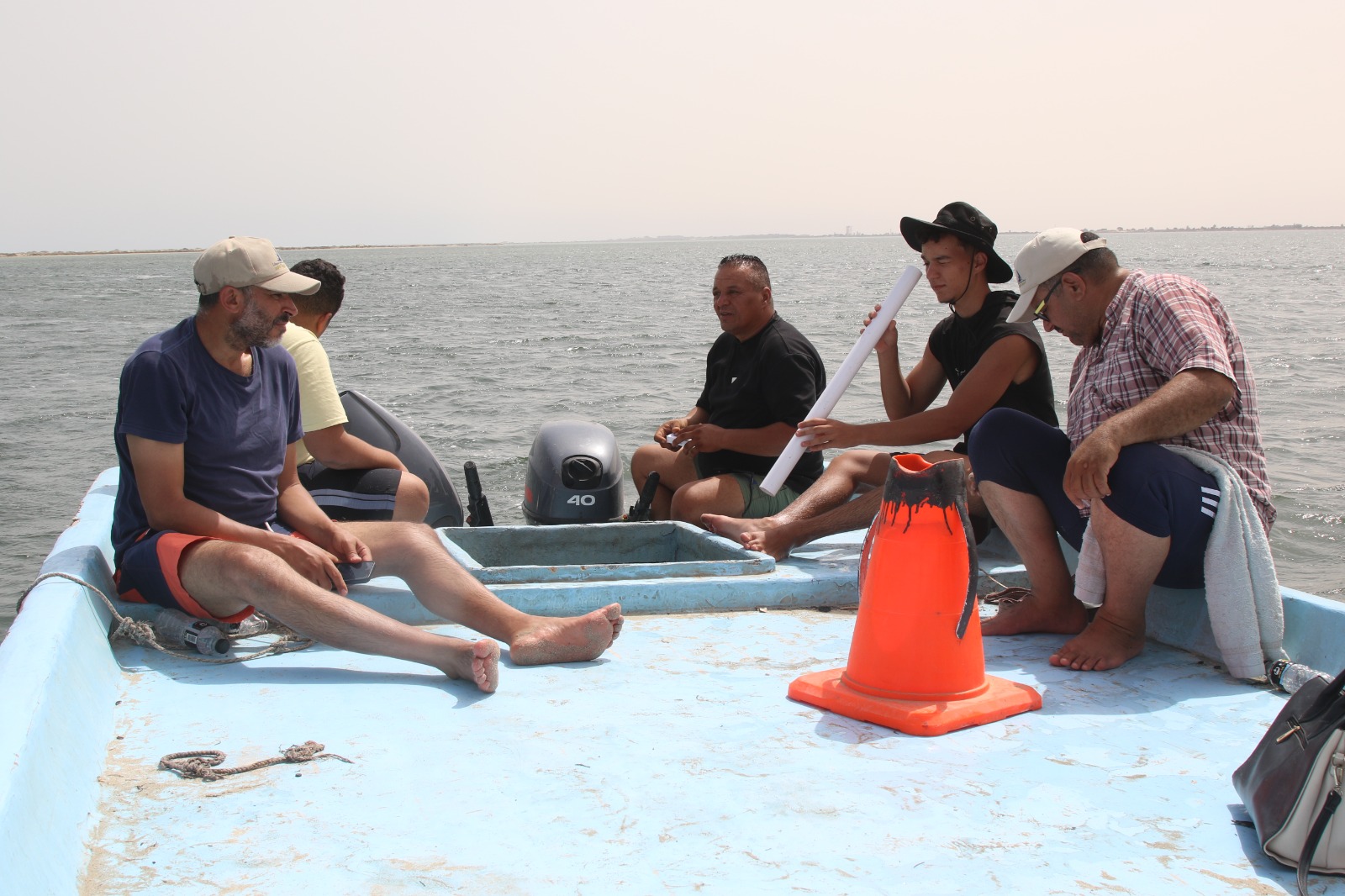
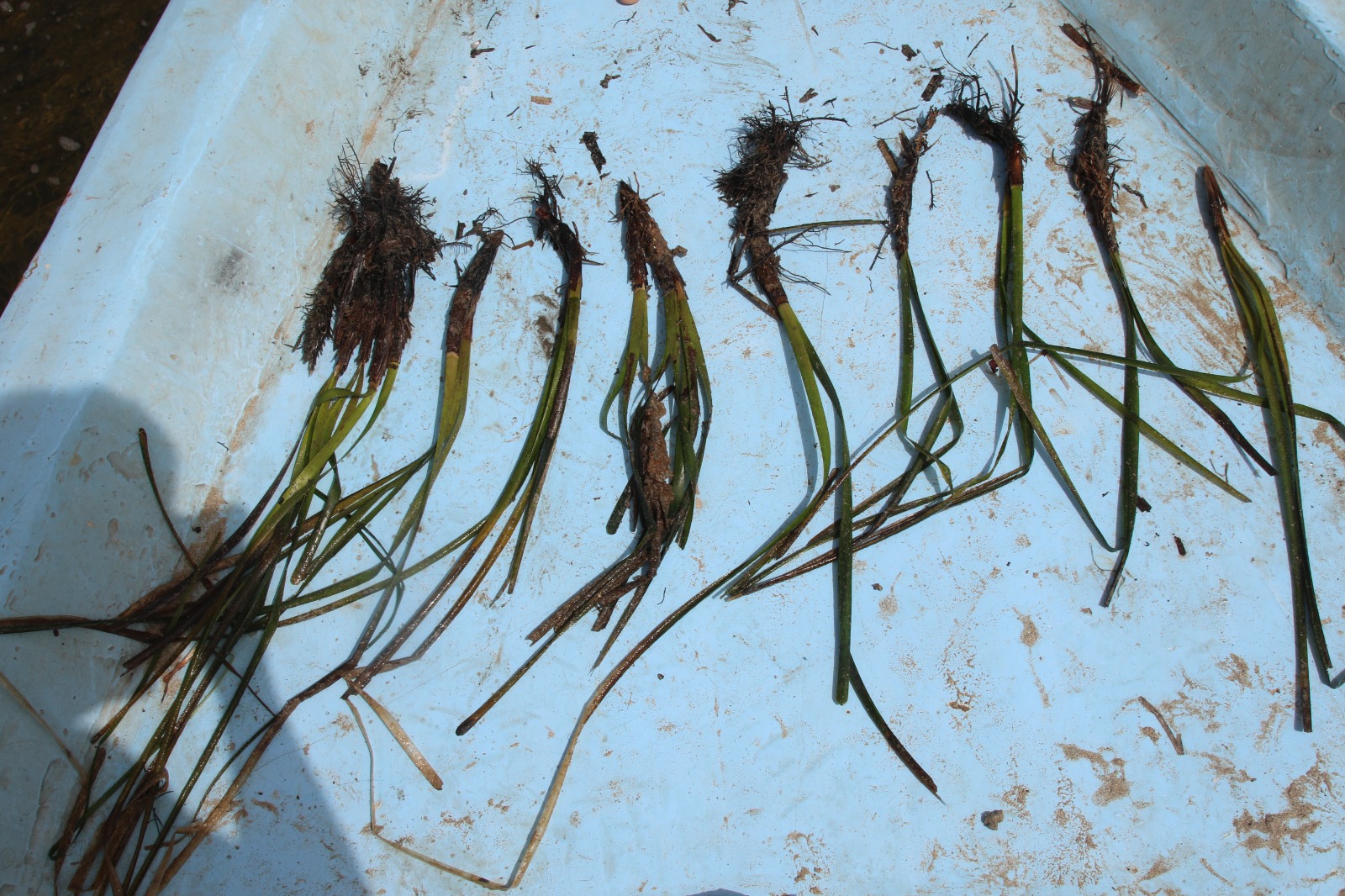
The camp concluded with specialized field training on Posidonia seagrass meadows. The training covered methods for collecting field samples and data, as well as approaches used to assess the density and distribution of Posidonia meadows. Such information provides an important scientific basis for evaluating the condition of these marine habitats and monitoring changes over time.
The camp highlighted the importance of integrating theoretical knowledge with practical field experience in biodiversity research and environmental monitoring. It also contributed to strengthening the capacities of participants interested in biodiversity and field research, supporting broader efforts to conserve species and natural habitats within Furwah Reserve.
The successful completion of the camp further demonstrates the importance of continuing scientific and field-based training programmes and expanding cooperation among institutions and organizations working in environmental conservation. Such initiatives contribute to building local capacity for biodiversity monitoring and research, while strengthening efforts to protect and sustain Libya’s natural ecosystems.
Photography: Mohamed Al-Rumaih
Leave a Reply