


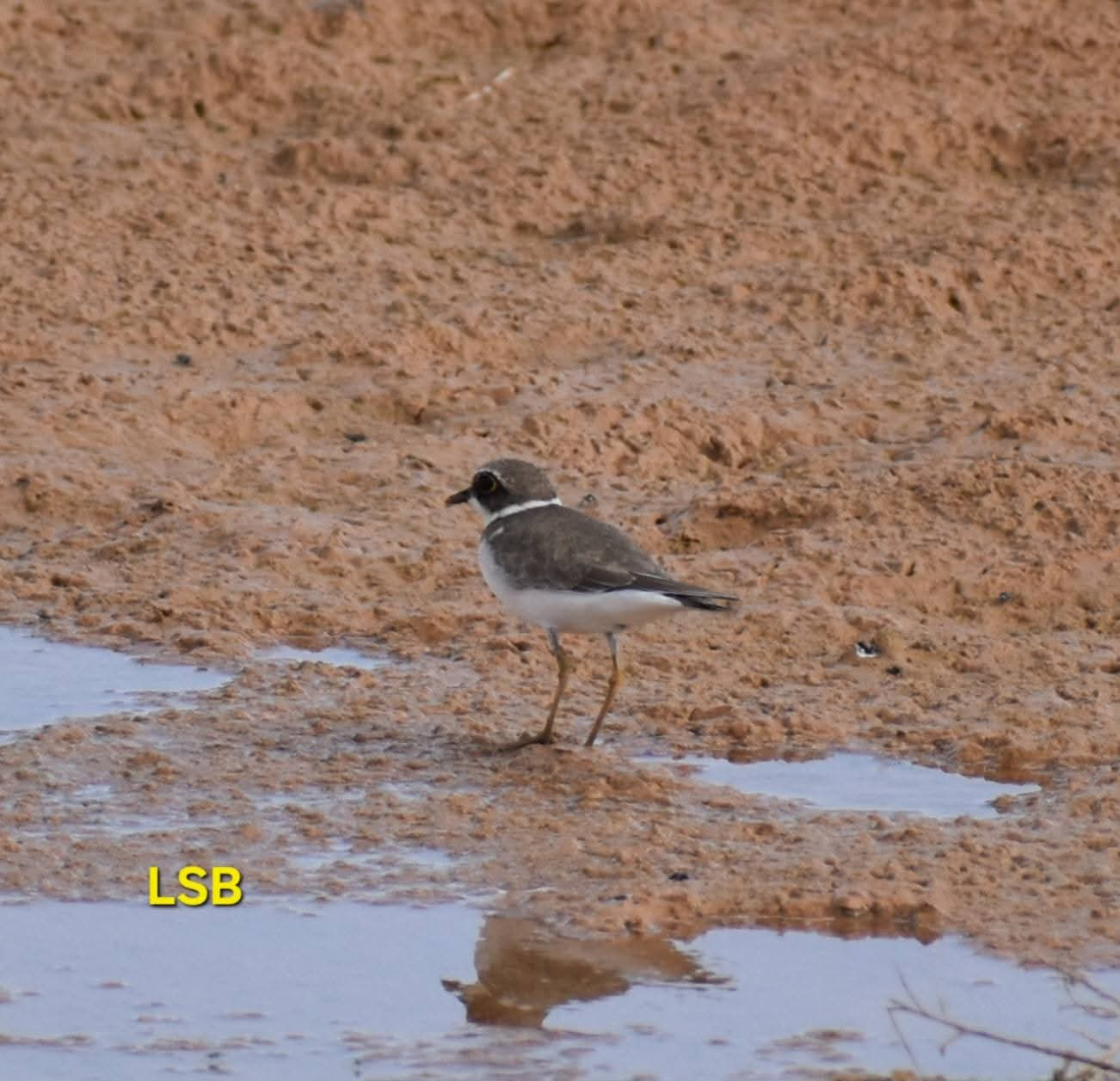


Participation of the Libyan Society for Birds in the 13th Edition of Wader Conservation World Watch (WCWW 2026)
As part of its ongoing efforts to monitor bird populations and promote the conservation of biodiversity in Libya’s wetlands, the Libyan Society for Birds (LSB) participated on Saturday, 31 October 2026, in the 13th edition of Wader Conservation World Watch (WCWW). This international initiative has been held annually since 2014, bringing together individuals, birdwatching groups, conservation organisations and institutions from around the world to monitor and protect wader populations.
Launched by Wader Quest in 2014, the event commemorates the anniversary of the organisation’s establishment on 1 November 2012. It aims to raise awareness of waders and shorebirds, highlight the threats and challenges they face, and recognise the valuable contributions of researchers, birdwatchers, volunteers and organisations working towards their conservation.
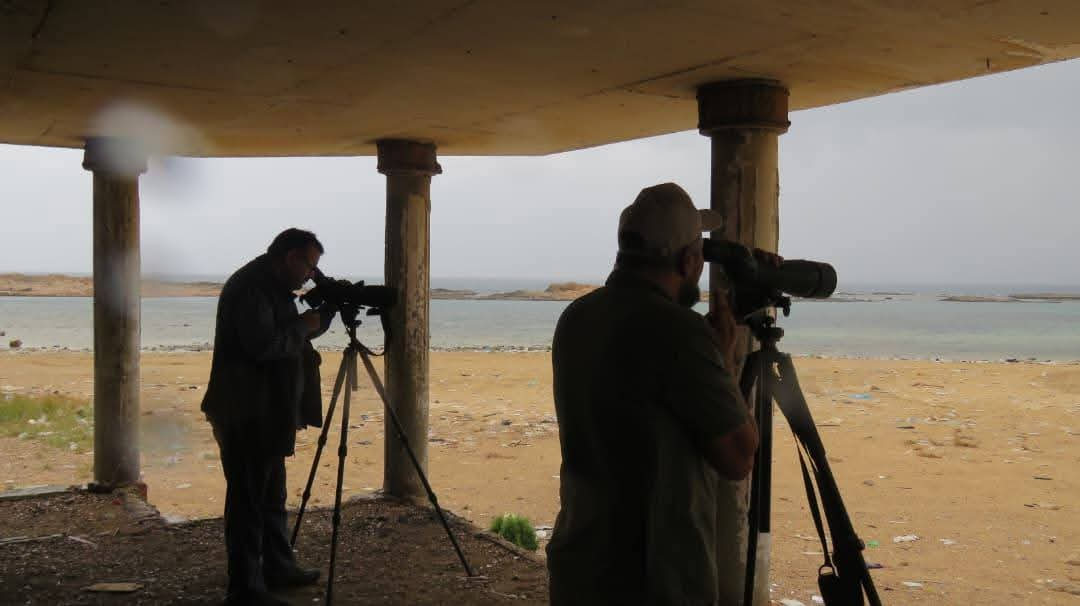
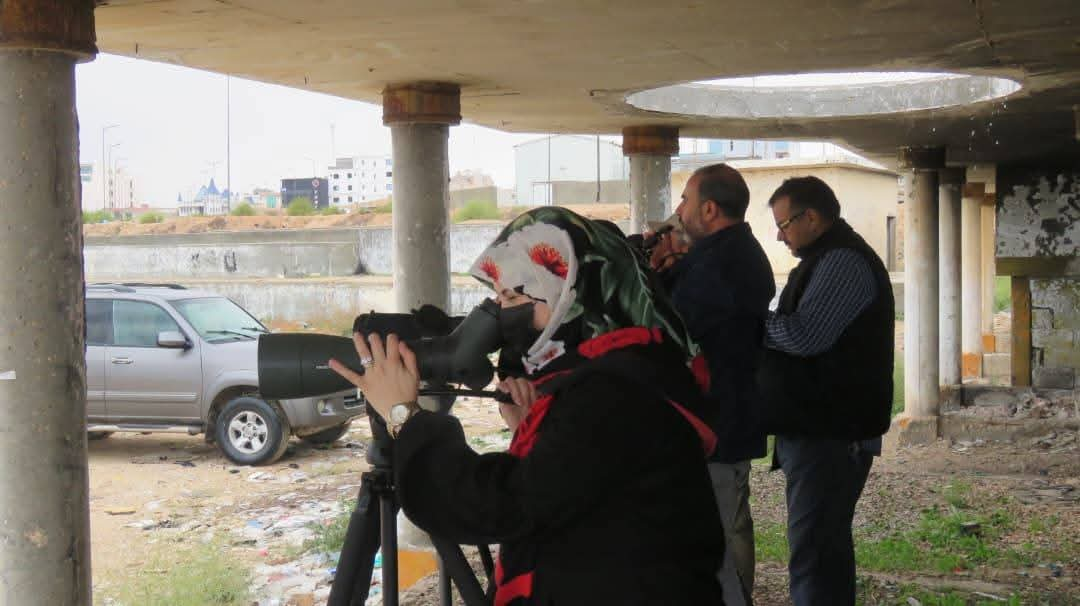
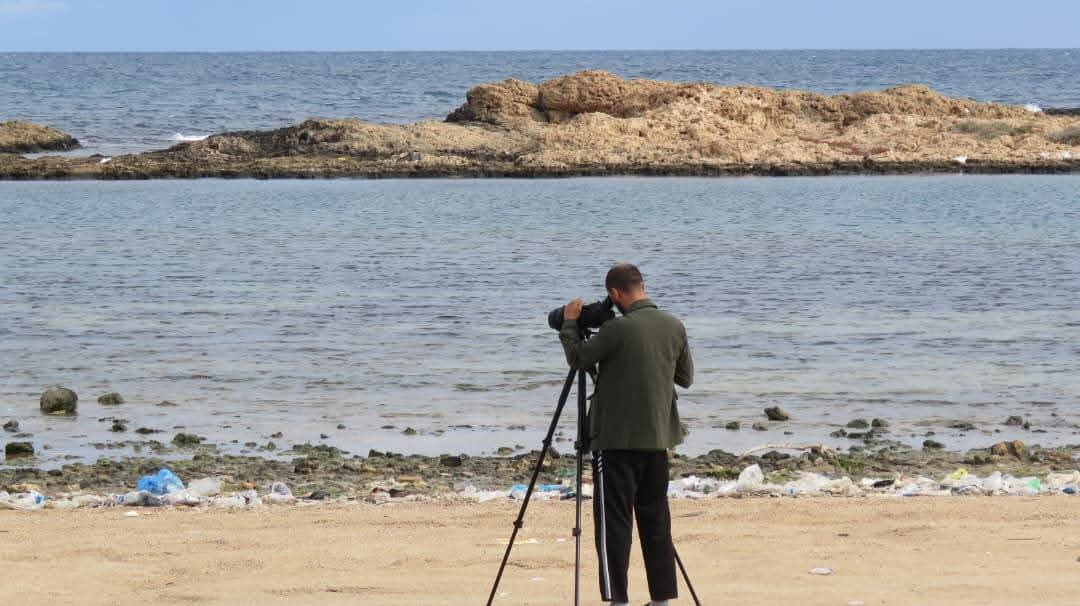
As part of its participation, the Libyan Society for Birds conducted field surveys at three wetland and coastal sites across Libya:
- Gargaresh Coast – Tripoli.
- Ain Kaam – Zliten.
- Area 51 – Bani Walid.
The surveys recorded a total of 15 wader species, comprising 99 individuals, distributed among the three sites as follows:
- Gargaresh: 68 individuals.
- Ain Kaam: 12 individuals.
- Area 51 (Bani Walid): 19 individuals.
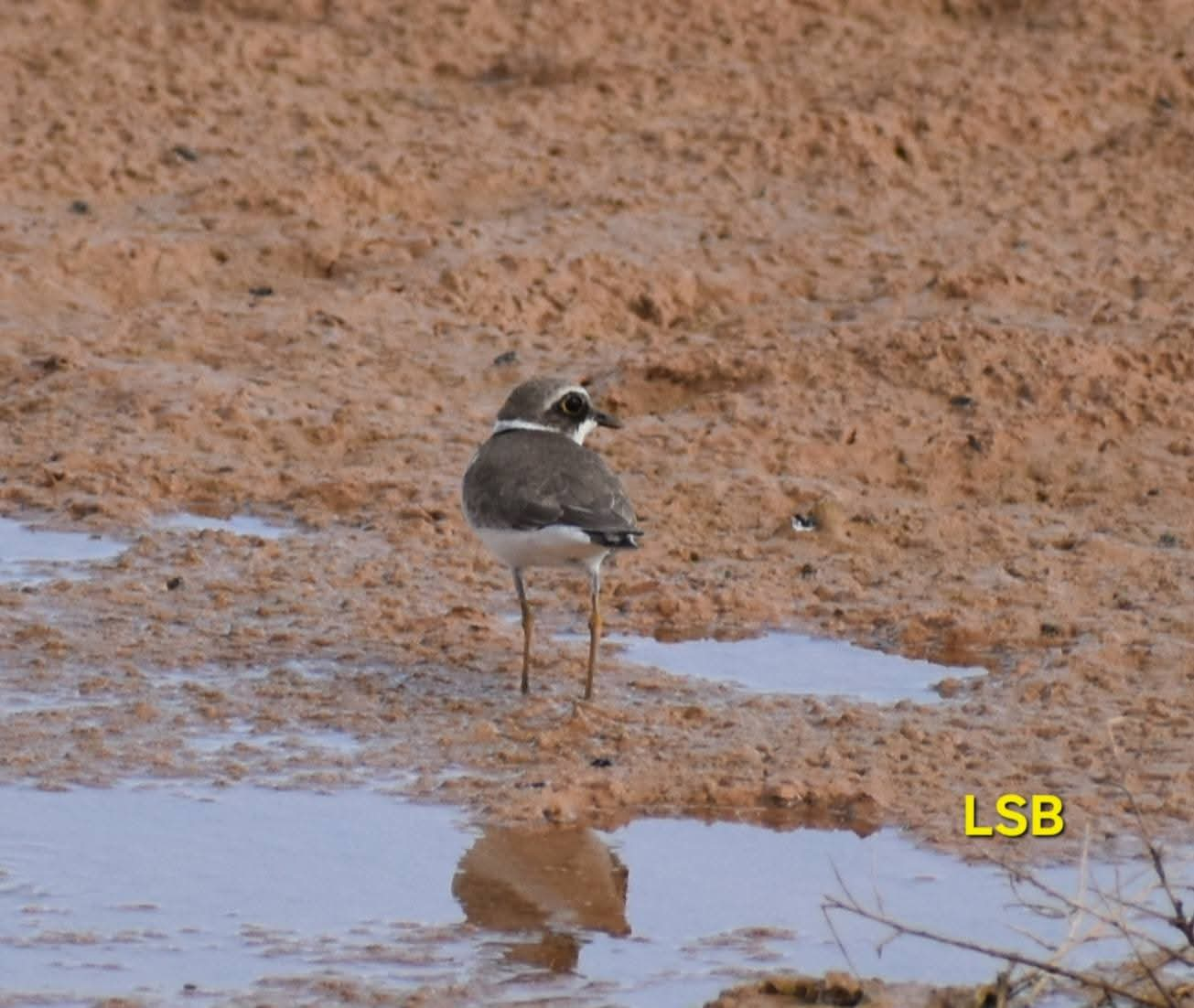
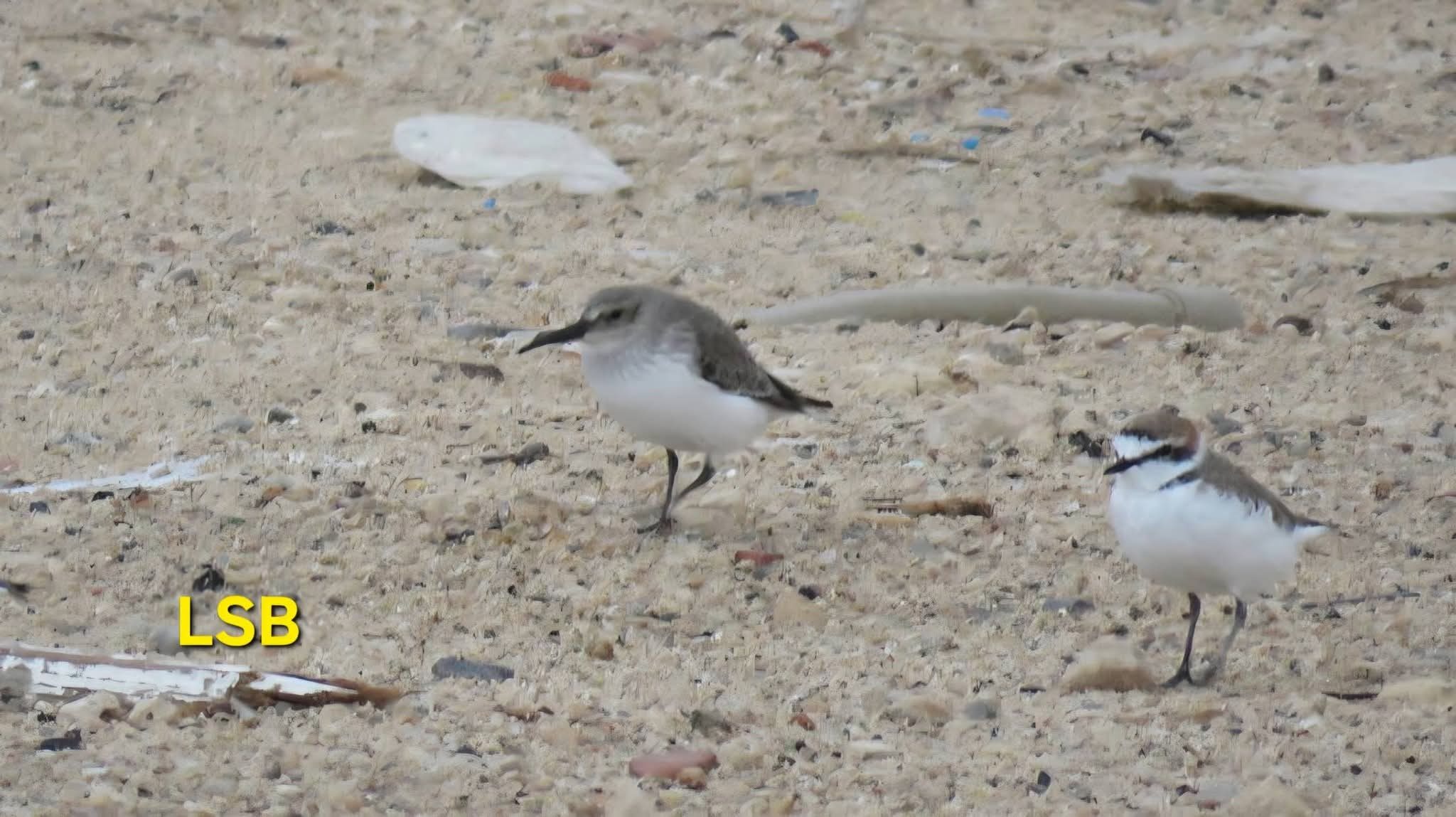
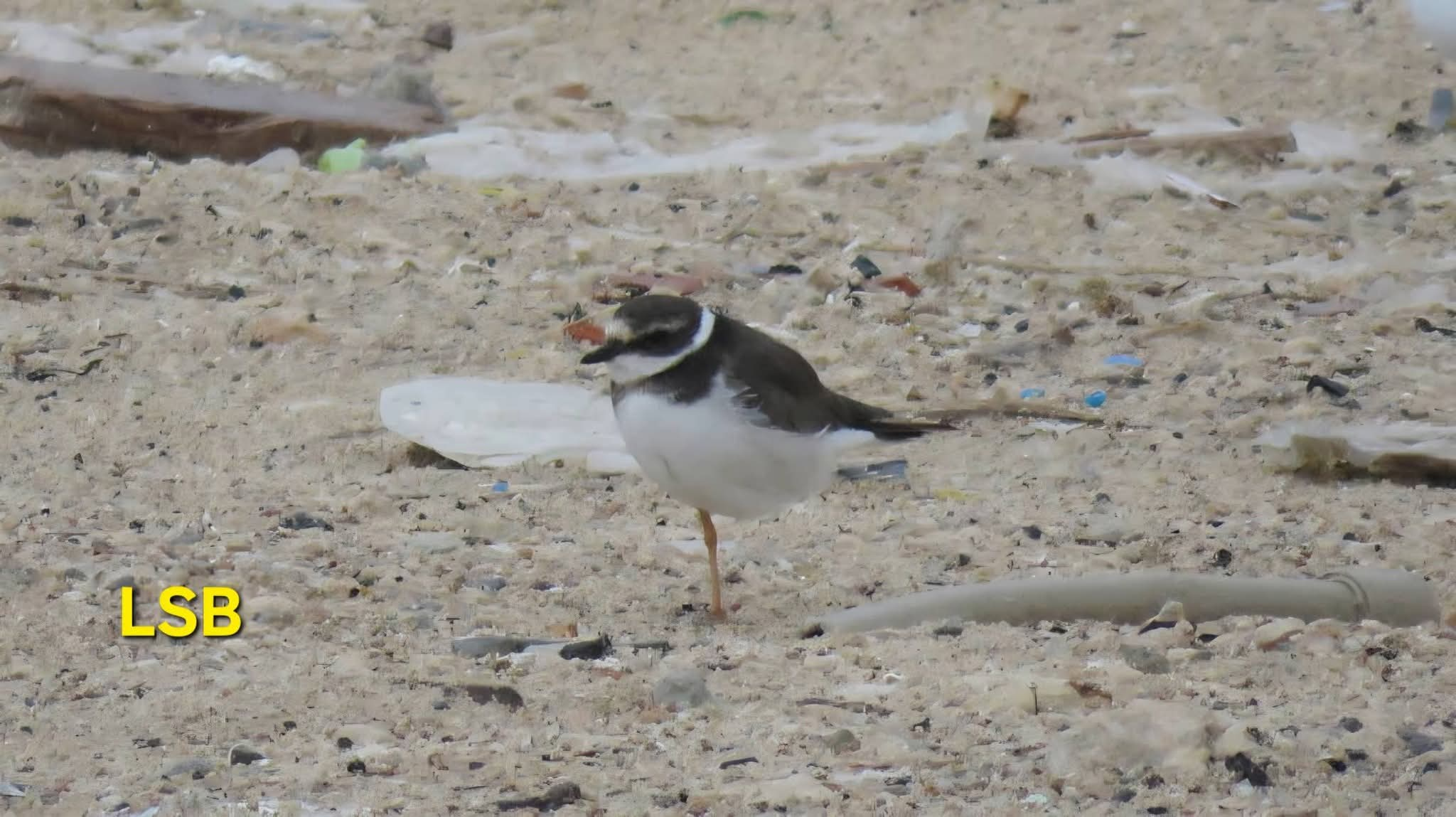
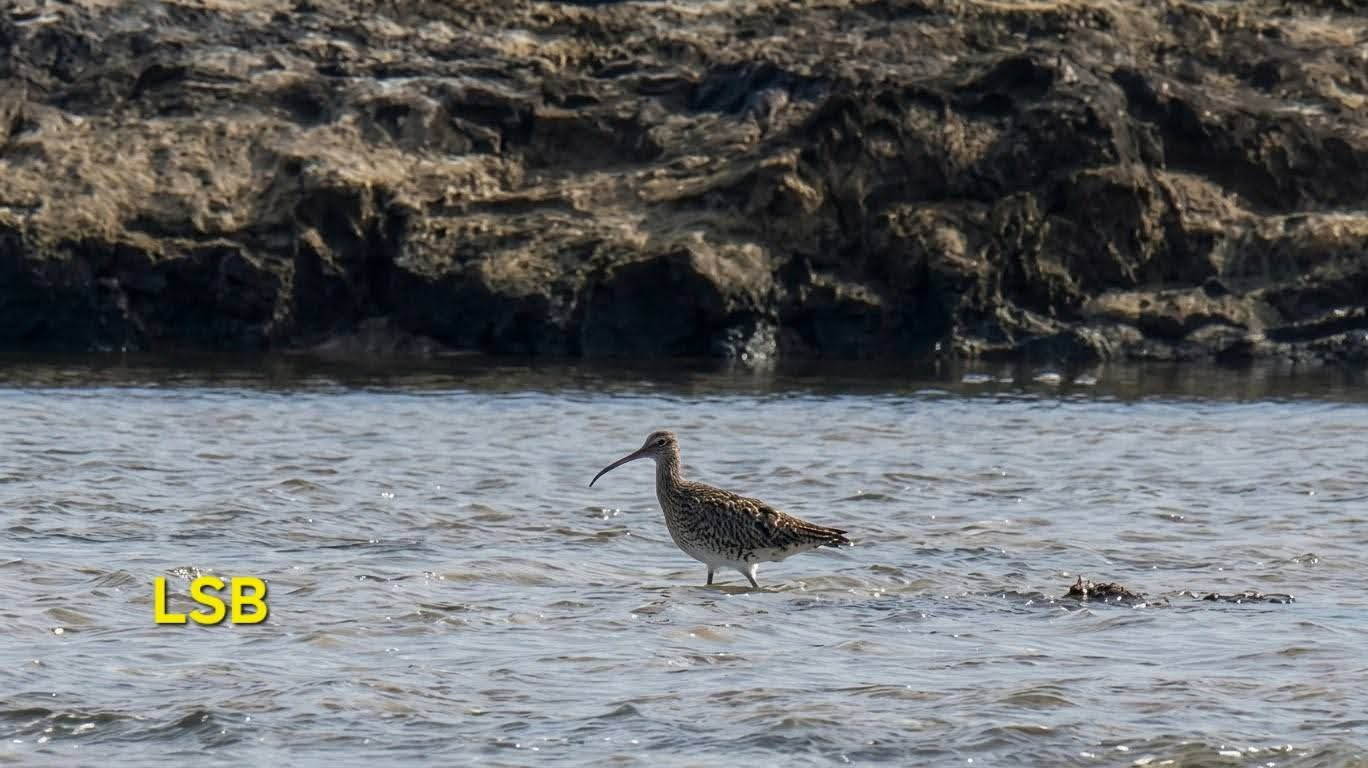
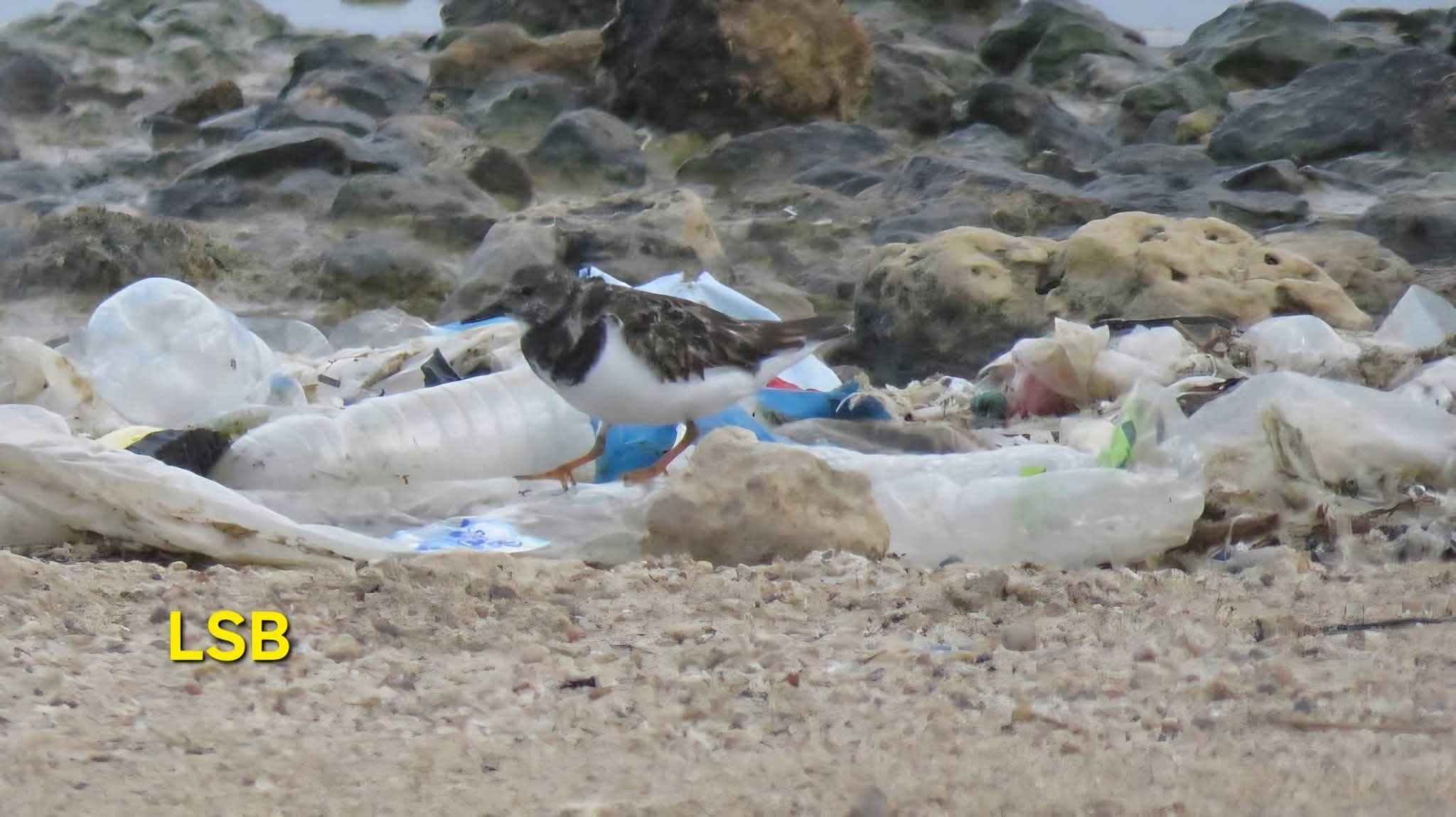
The recorded species included several notable waders, such as Kentish Plover, Dunlin, Ruddy Turnstone, Black-winged Stilt, Common Sandpiper, Ruff, Little Ringed Plover, Common Redshank, Wood Sandpiper and Curlew Sandpiper, among others.
The Libyan participation was carried out by the Libyan Birding Team, through collaboration between the Libyan Society for Birds and the Department of Zoology, Faculty of Science, University of Tripoli, with the involvement of eight birdwatchers.
This participation highlights the importance of regular bird monitoring and census programmes in generating scientific data on wader diversity, population numbers and geographical distribution. Such activities also strengthen cooperation between scientific institutions, specialised conservation organisations and birdwatchers, while expanding Libya’s involvement in international bird conservation initiatives.
Furthermore, these activities represent an important step towards improving knowledge of biodiversity in Libyan wetlands and supporting conservation efforts aimed at protecting these habitats, which serve as vital stopover sites for migratory birds and important feeding, resting and breeding grounds for numerous species.
Together we monitor, together we care, and together we make a difference.
📷 Photography: Alaa Nwige and Abdulnasser Eisa – Libyan Society for Birds.
Leave a Reply