




A Recent Scientific Study Highlights the Importance of Shallow Water for Waterbirds at Juliana Lake, Benghazi
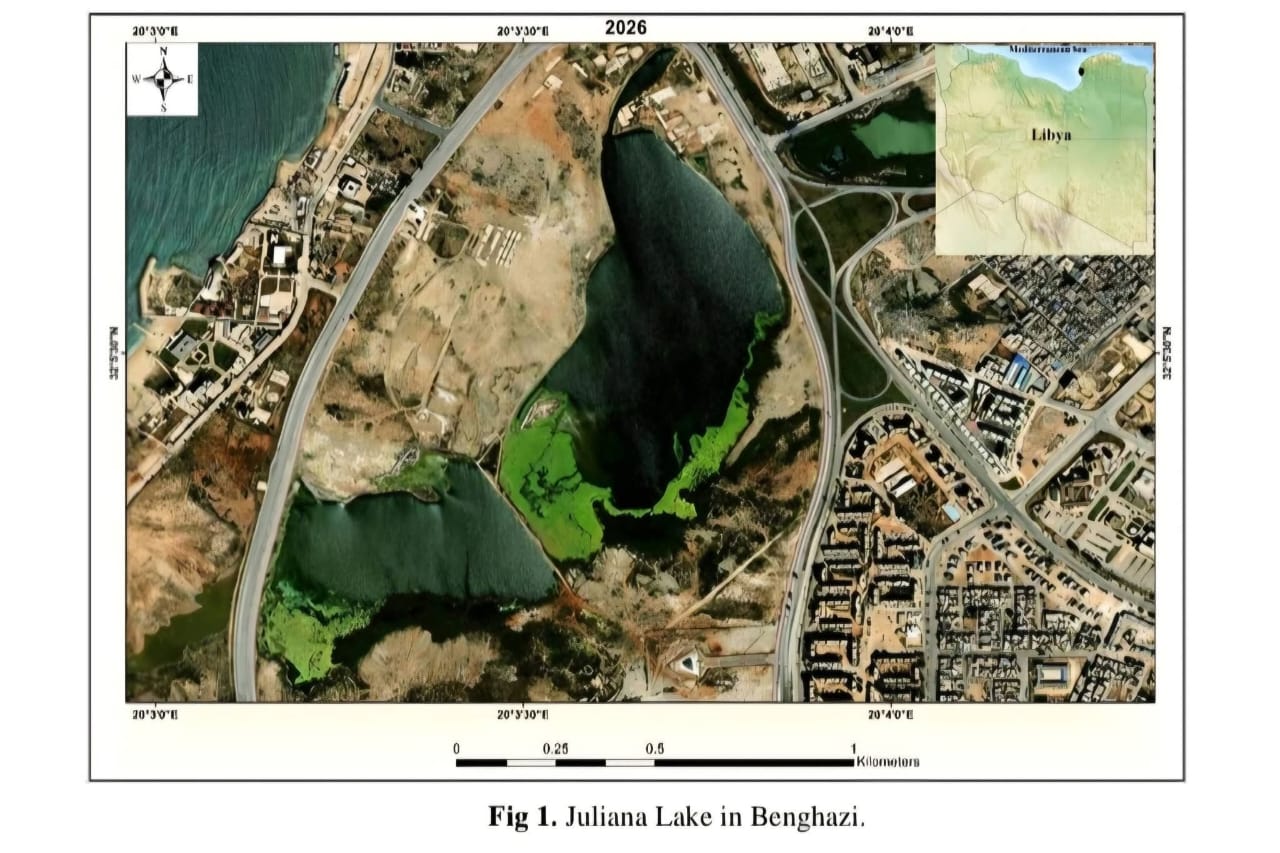
A scientific study published in the African Journal of Advanced Pure and Applied Sciences (AJAPAS) has examined the effects of urban expansion and changes in water depth on waterbirds at Juliana Lake in Benghazi, Libya. The study was conducted by researchers affiliated with the Libyan Society for Birds (LSB).
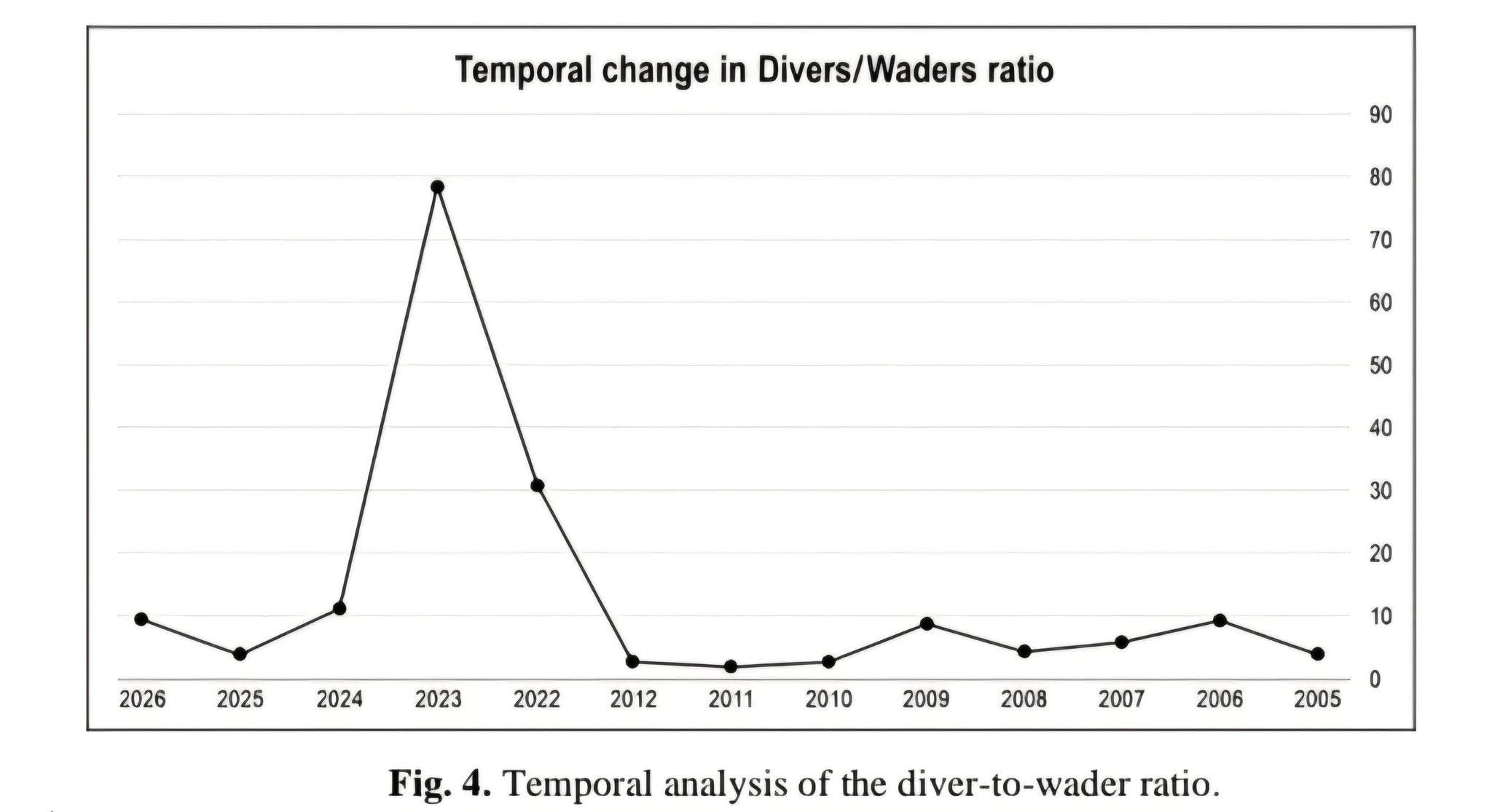
Using data from the International Waterbird Census (IWC), the researchers investigated changes in the numbers of wading birds (waders) and diving birds (divers), and their relationship with the availability of shallow-water habitats.
The results showed a clear association between wading birds and shallow-water areas, with higher numbers recorded in years when these habitats were available. Diving birds, by contrast, appeared less closely associated with shallow-water availability, reflecting their greater reliance on deeper waters.
The monitoring data also revealed changes in the composition of the waterbird community during the study period, including notable fluctuations in the proportion of diving birds relative to wading birds in certain years.
These findings highlight the importance of Juliana Lake as a wetland habitat for waterbirds and emphasise the need to consider changes in water depth and habitat availability when managing and conserving urban wetlands.
Read the full study in the Scientific Publications section.
Leave a Reply