



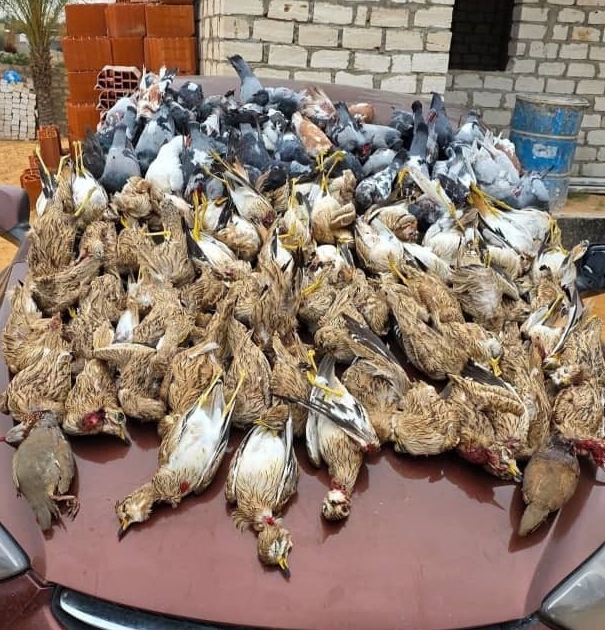
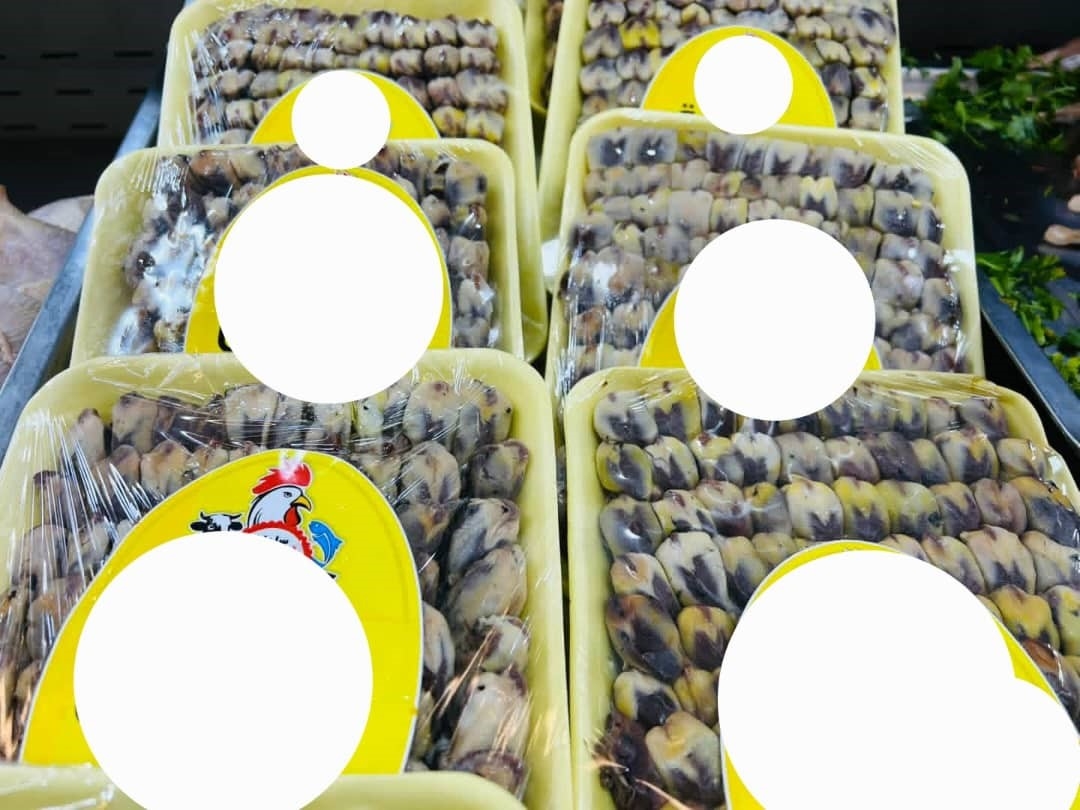
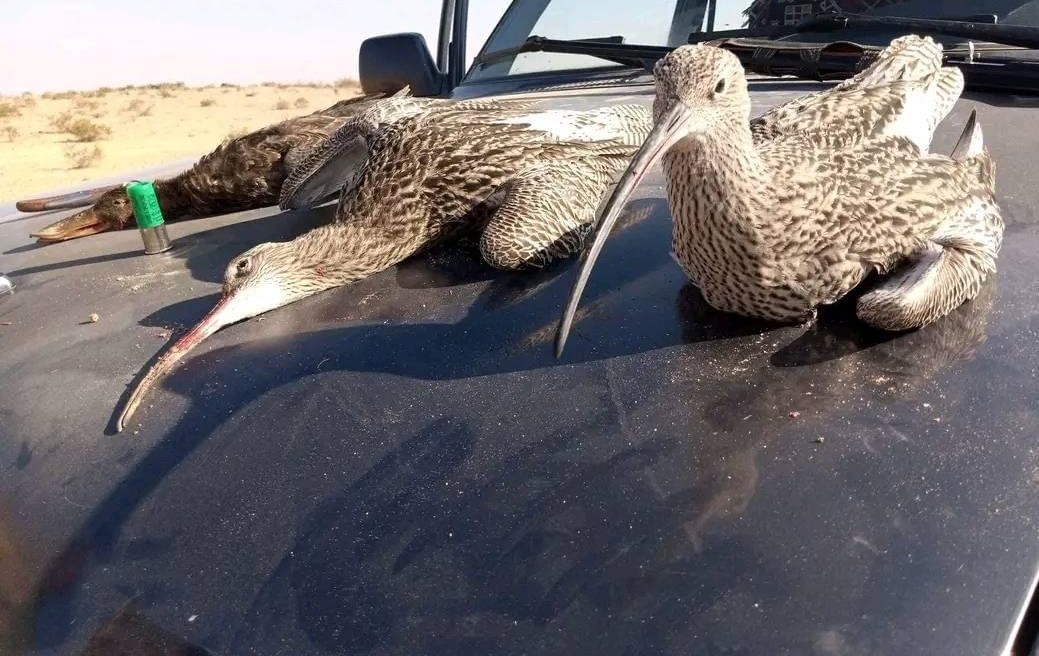
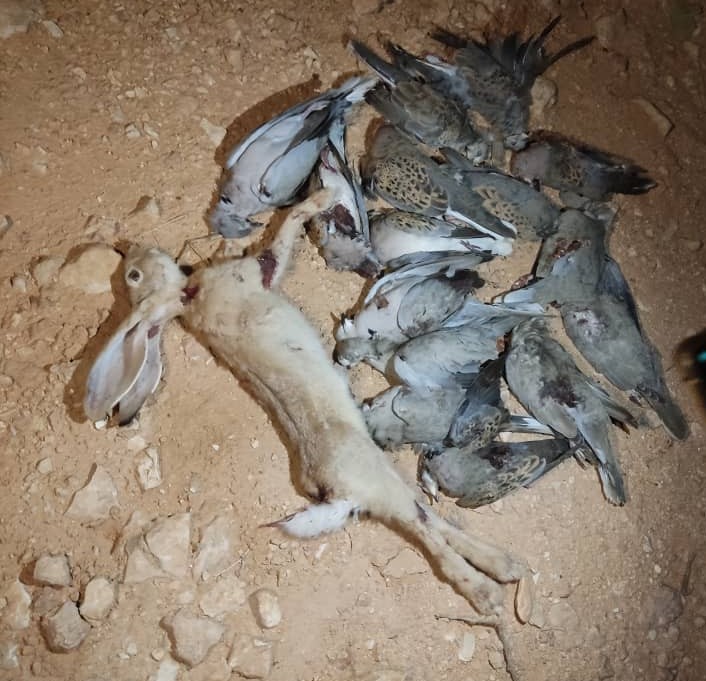
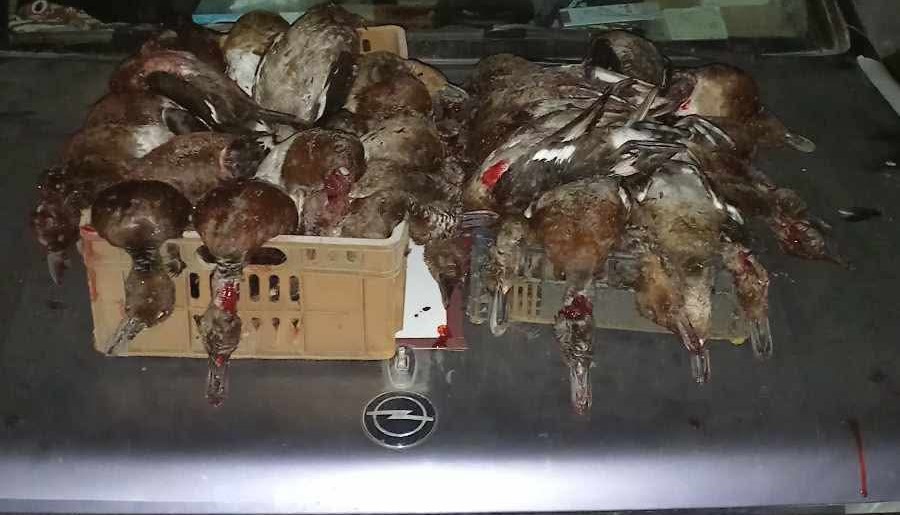


Illegal Hunting and Bird Killing Escalate Across Libya.
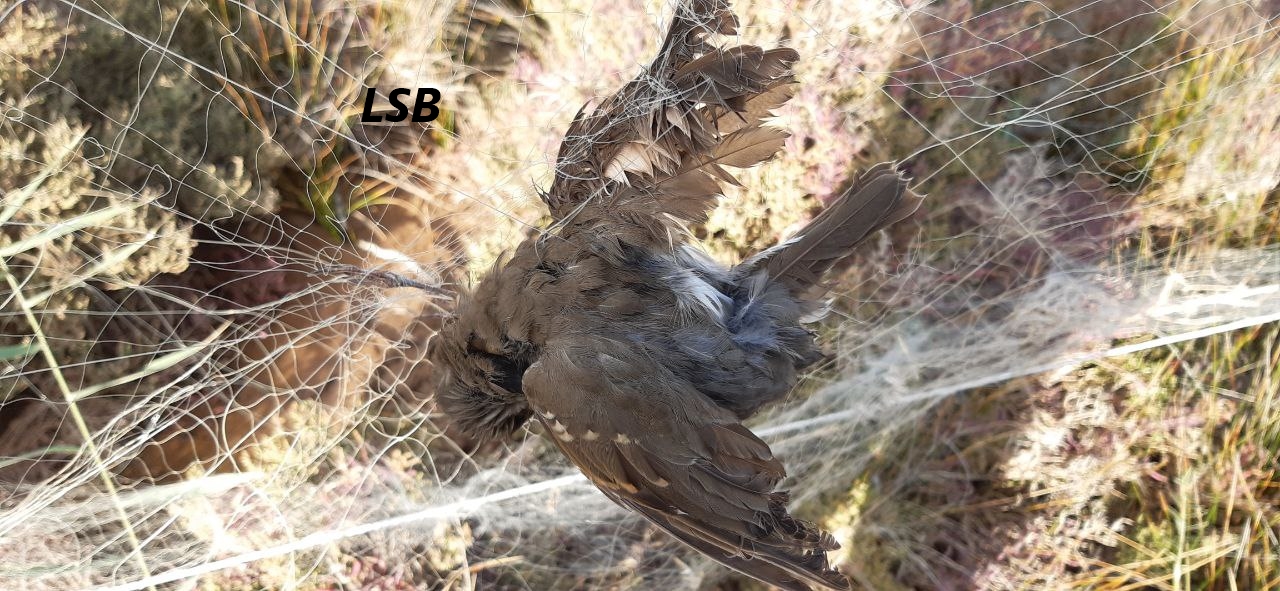
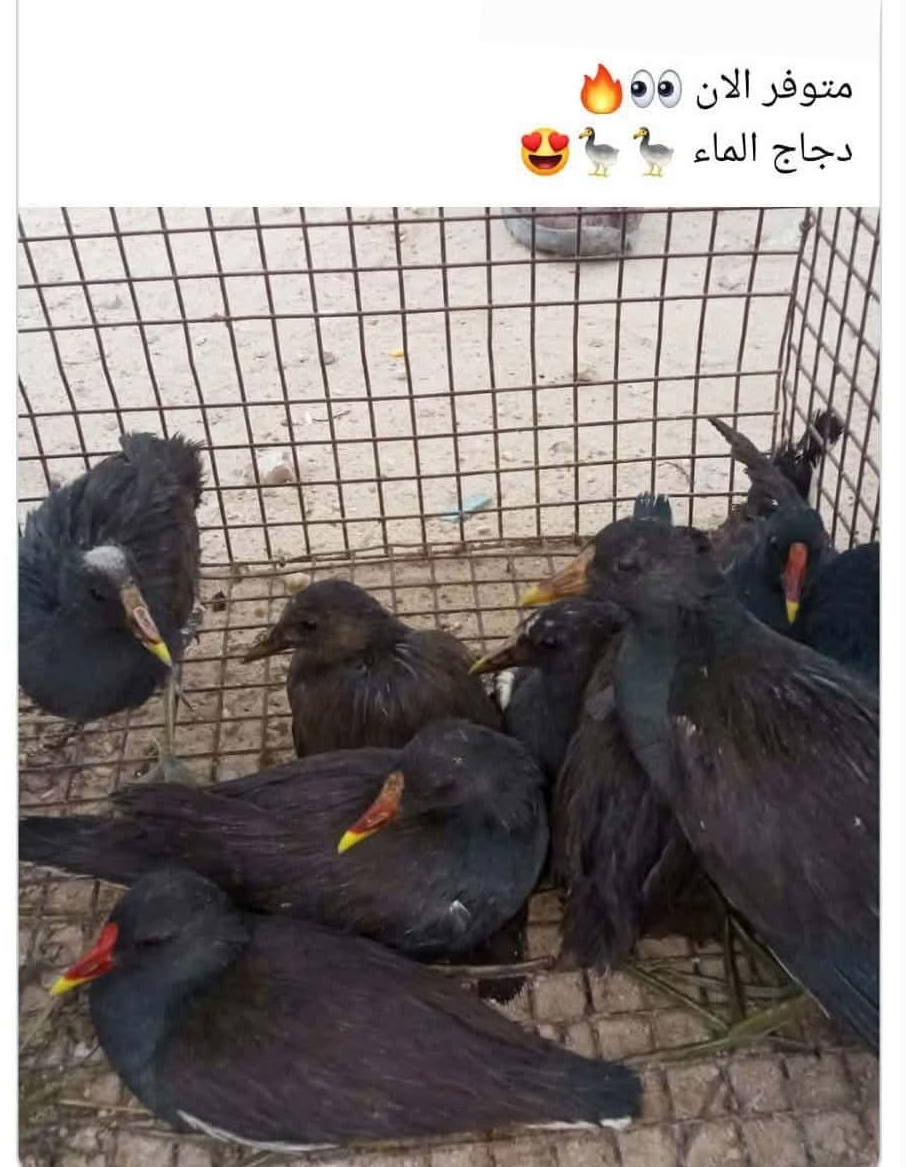
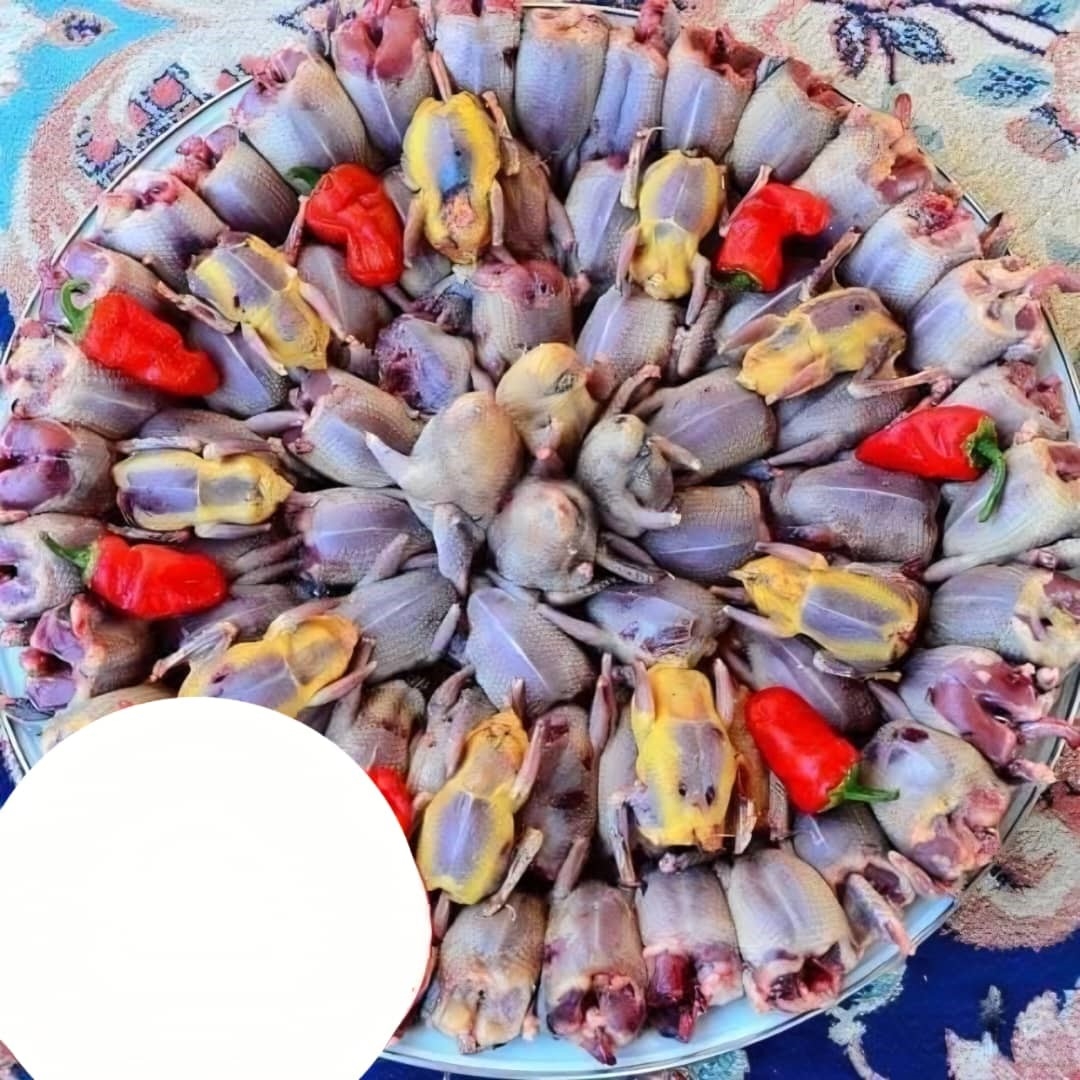
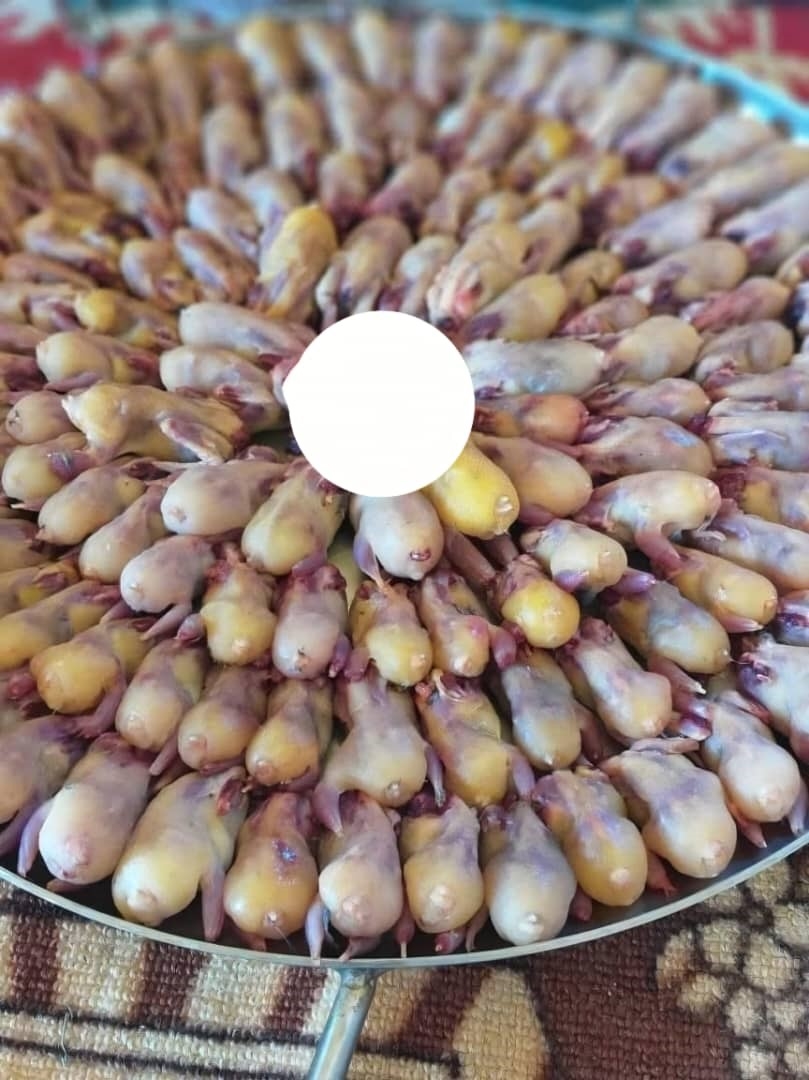
Libya is facing a growing and serious increase in illegal hunting and the killing of birds, including both land and waterbird species. In many areas, birds are now openly displayed and sold in butcher shops and public markets, in clear violation of national laws and international conservation agreements.
According to BirdLife International, around 25 million birds are illegally killed each year in the Mediterranean region. Data also show that Libya is among the most affected countries, with an estimated 500,000 birds killed illegally every year. These include migratory birds passing through Libya as well as species that live in the country year-round.
Illegal hunting is causing serious harm to nature. It reduces bird numbers, damages natural and farming environments, and weakens important natural services such as pest control. Libya plays a key role as a migration route between Africa and Europe, and continued bird killing threatens this role and the survival of many species.
Libya has signed international agreements to protect birds, including the Convention on Biological Diversity, the Convention on Migratory Species, and AEWA. These agreements require the country to protect birds, especially migratory and waterbirds, and to stop illegal hunting, trade, and public sales.
Photos and videos shared on social media, especially Facebook, show widespread hunting of many well-known species, including warblers, thrushes, doves, and the European Turtle Dove, which is listed as Vulnerable on the IUCN Red List.
Waterbirds are also heavily targeted in wetlands, lakes, and coastal areas. Species such as Greater Flamingos, herons, ducks, and waders are being hunted at key resting and feeding sites, causing long-term damage to their populations.
Recent bird counts in Libya show a clear decline in several migratory species compared to previous years, raising serious concern, especially as this decline matches the rise in illegal hunting.
The Libyan Society for Birds (LSB) urges the responsible authorities, especially the Ministry of Environment, to take immediate action. This includes stopping the sale of birds in markets, enforcing existing laws, increasing field monitoring, and raising public awareness about the importance of birds and their role in protecting nature.
Photos: from Facebook.
Leave a Reply