


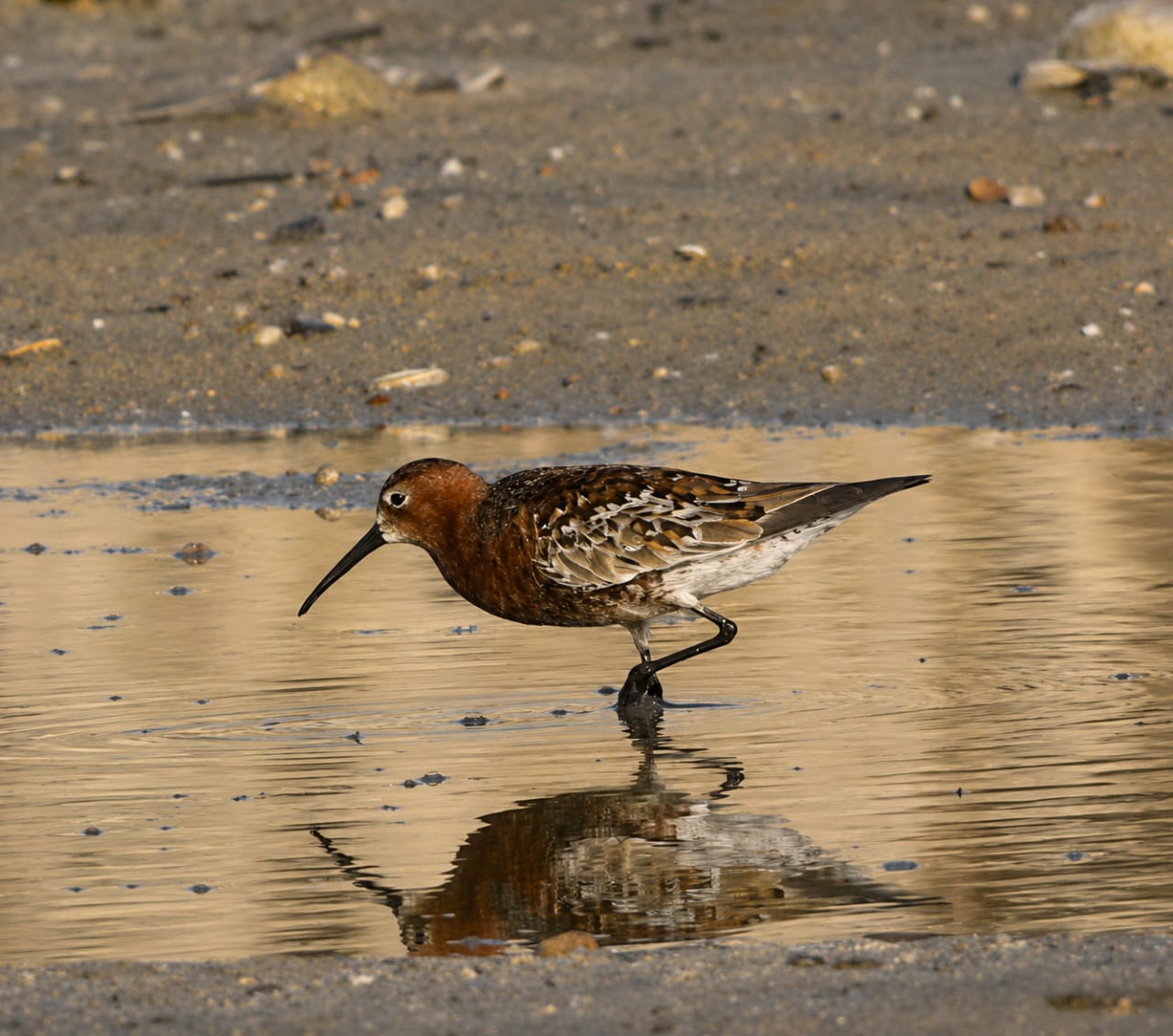
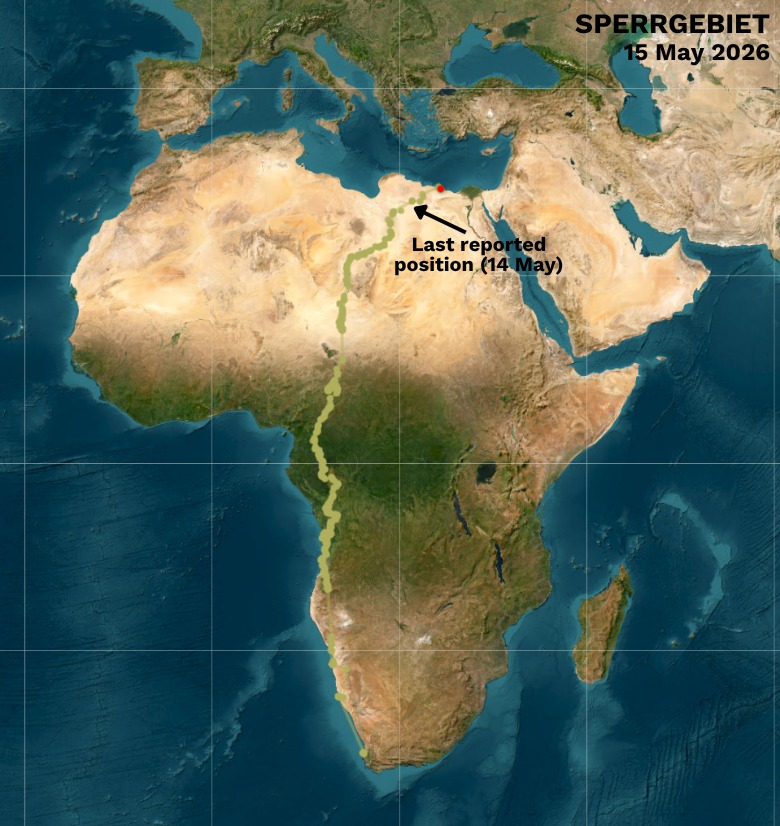


A Curlew Sandpiper from South Africa passes through Libya as part of an international shorebird tracking project.
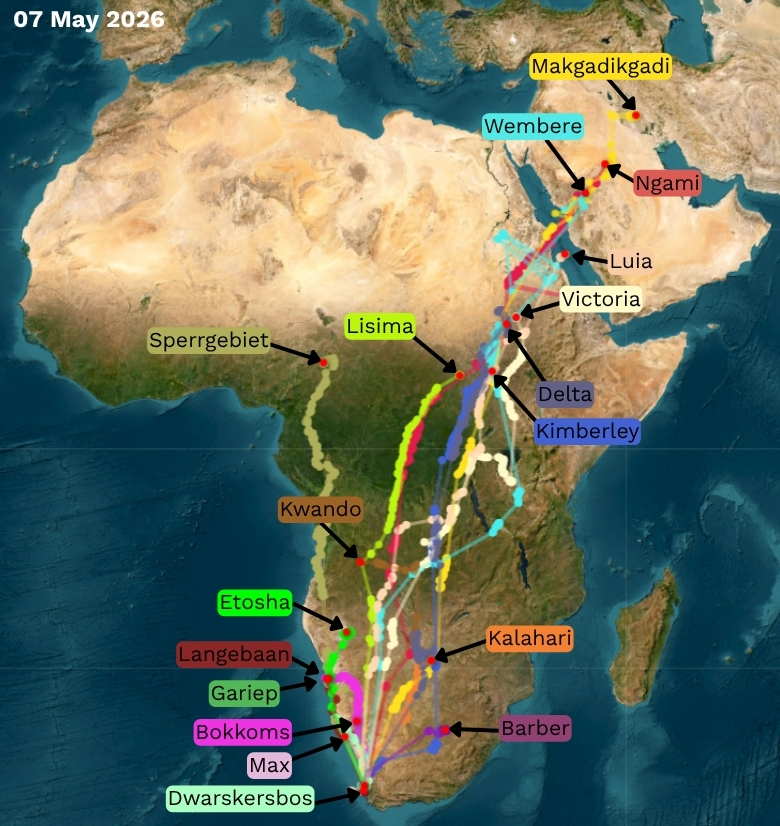
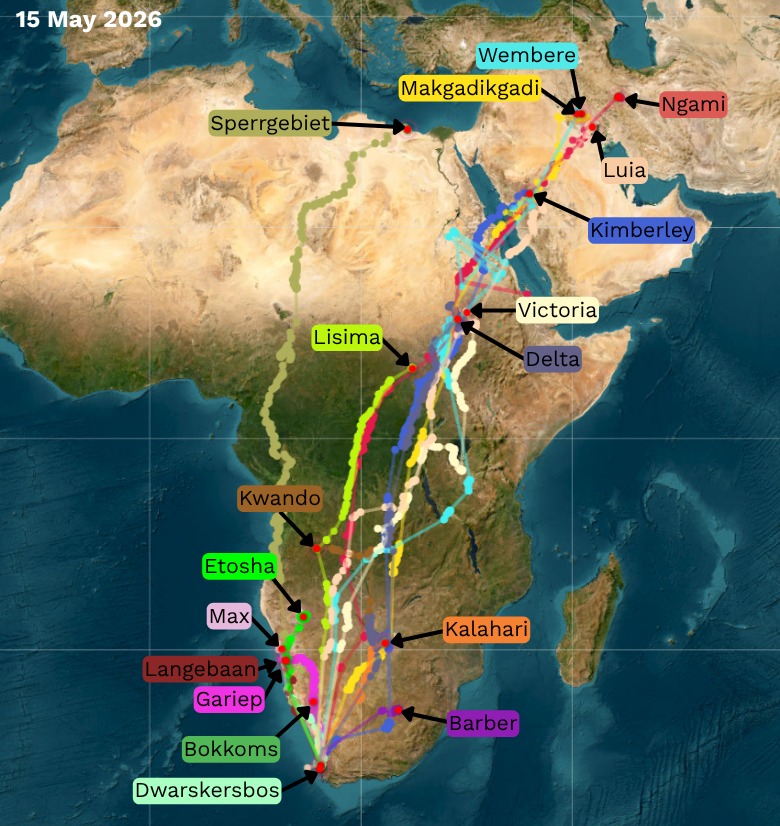
As part of the “South Africa’s Shorebird Tracking Project,” a number of migratory shorebirds, including the Curlew Sandpiper (Calidris ferruginea), were fitted with tracking devices along the west coast of South Africa, near Velddrif and Langebaan Lagoon. The aim of the project is to better understand migration routes and key stopover sites across Africa.
One of these birds, named SPERRGEBIET, followed a migration route that brought it through Libya.
Journey Details:
- March 27, 2026
The bird arrived at Sandwich Bay in Namibia, where it spent time feeding and rebuilding energy reserves before continuing its migration.
- April 21–22, 2026
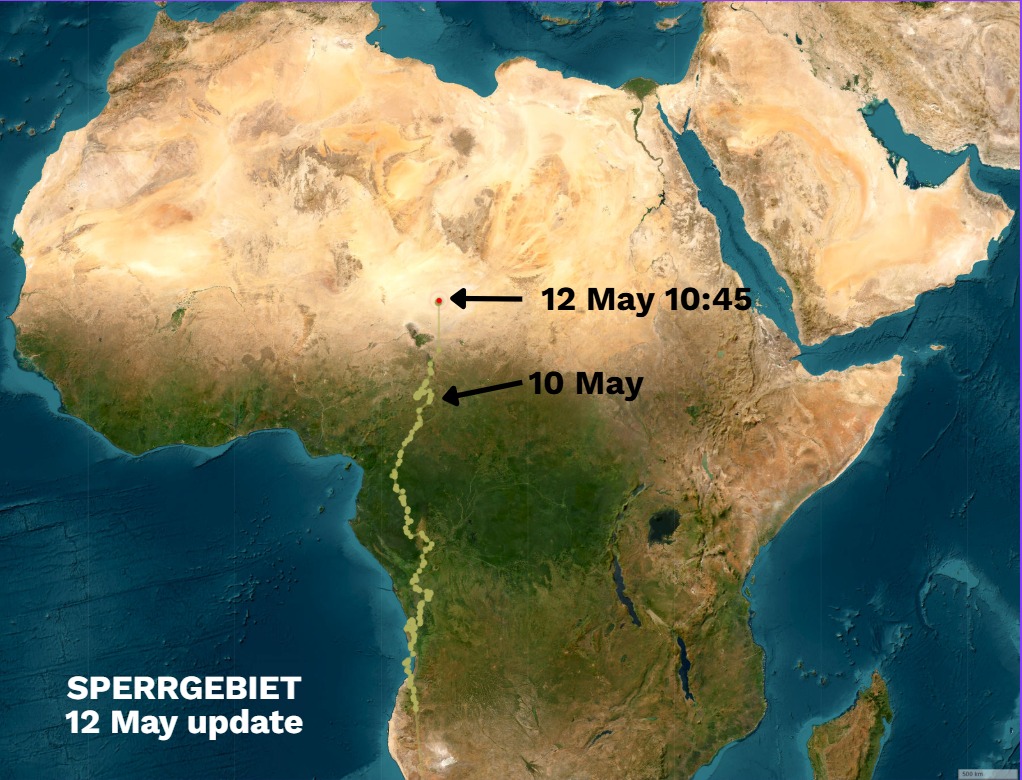
It began a long northward journey along Africa’s west coast, passing through Angola and covering more than 1,500 km in less than a day.
- Late April – Early May
The bird continued moving through Central Africa, taking a different route from most of the other tracked birds in the project, which generally followed the Nile Valley migration pathway.
- May 10, 2026
The bird was still in Central Africa, south of Chad, before beginning one of the most demanding stages of its migration.
- May 12, 2026
It started crossing the Sahara through Chad toward Libya, undertaking a long flight over remote desert landscapes.
- May 13, 2026
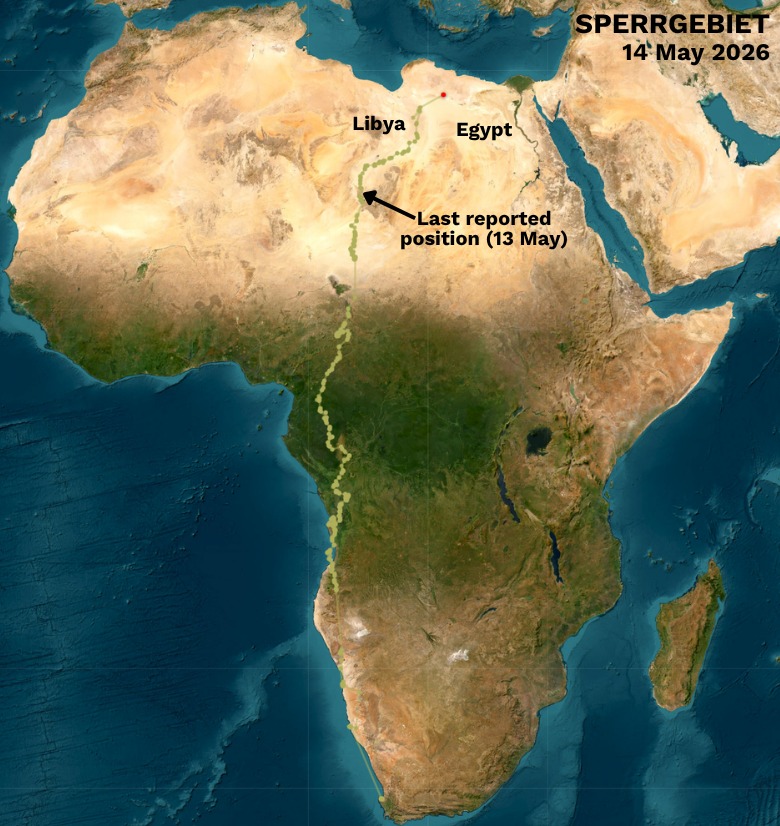
The bird entered Libyan territory and continued northward across southeastern Libya, with tracking data showing repeated shifts in direction between north and northeast.
- May 14, 2026
After crossing eastern Libya and passing west of Al Jaghbub Oasis, it entered Egypt and reached the Mediterranean coast near Mersa Matruh.
- May 15, 2026
The bird settled along Egypt’s northern coastline after successfully completing one of the most impressive journeys recorded within the project.
This migration provides valuable scientific evidence of Libya’s importance within global bird migration routes, especially during Sahara crossings. It also reinforces the need to protect critical habitats and stopover sites that migratory birds depend on during their long journeys between continents.
Leave a Reply